
27
Oct
Oct
Identify hulls, whole seed and wet waste, clean the grass gently, and compare practical ways to reduce the next spill without a zero-mess promise.

Identify hulls, whole seed and wet waste, clean the grass gently, and compare practical ways to reduce the next spill without a zero-mess promise.
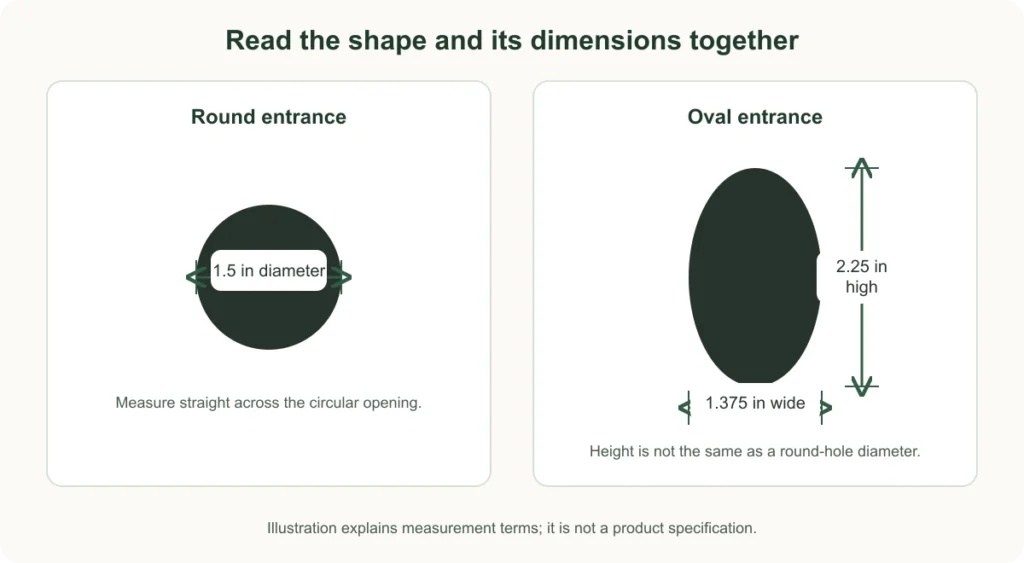
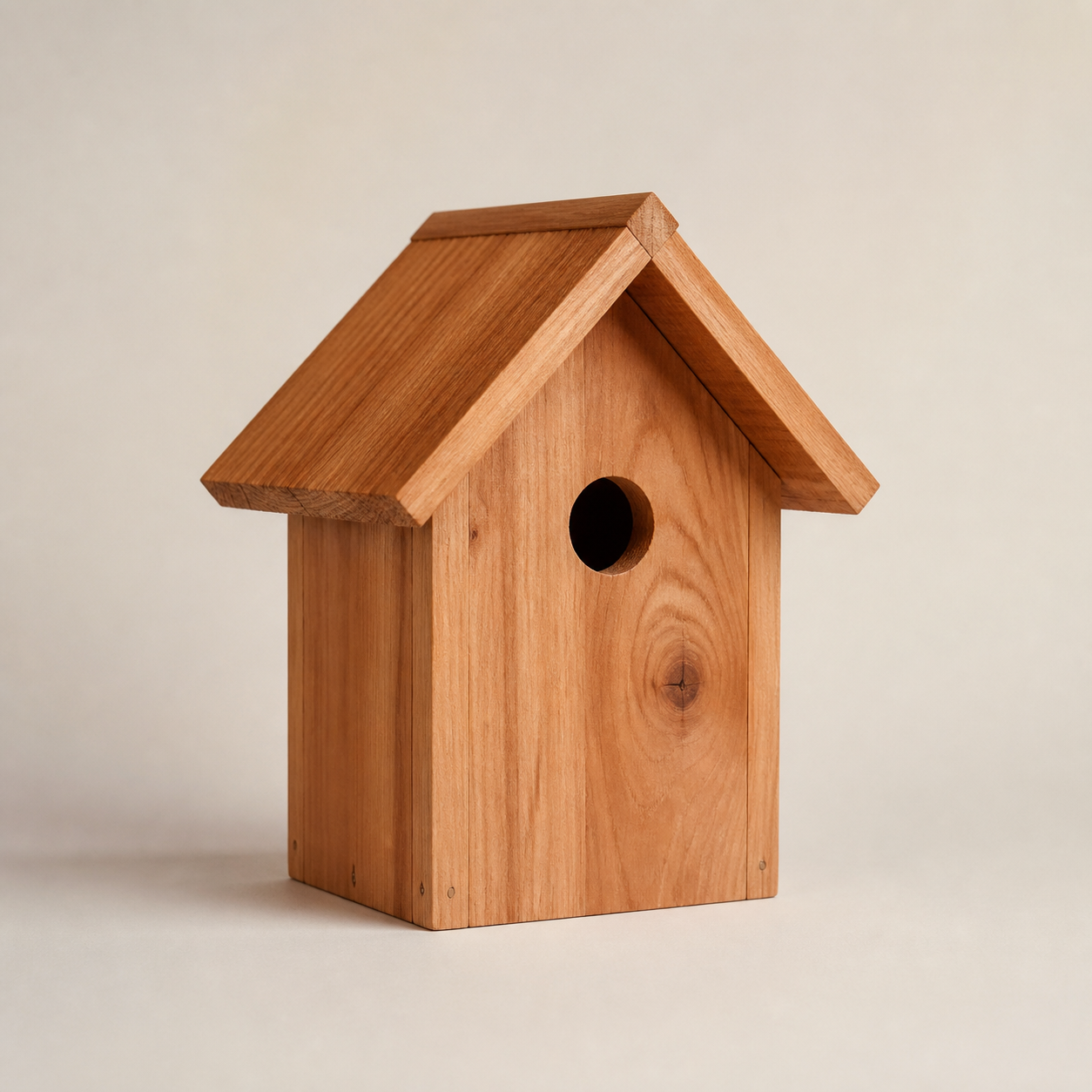
Choose a nest box for a named local species. Compare round and oval entrances, then check the complete box rather than relying on the opening alone.
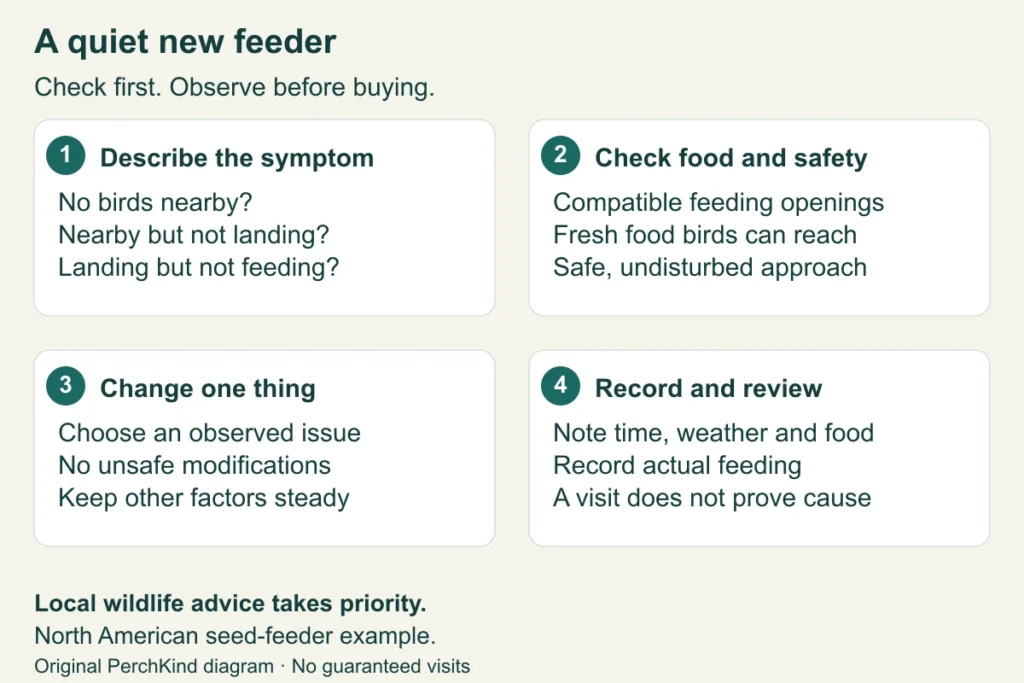
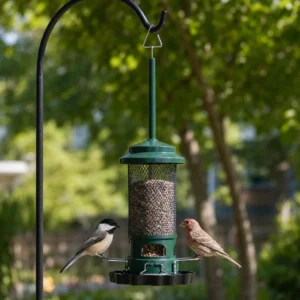
Separate no visits from no feeding, check food access and safety, and change one suitable variable before deciding whether a different feeder is needed.
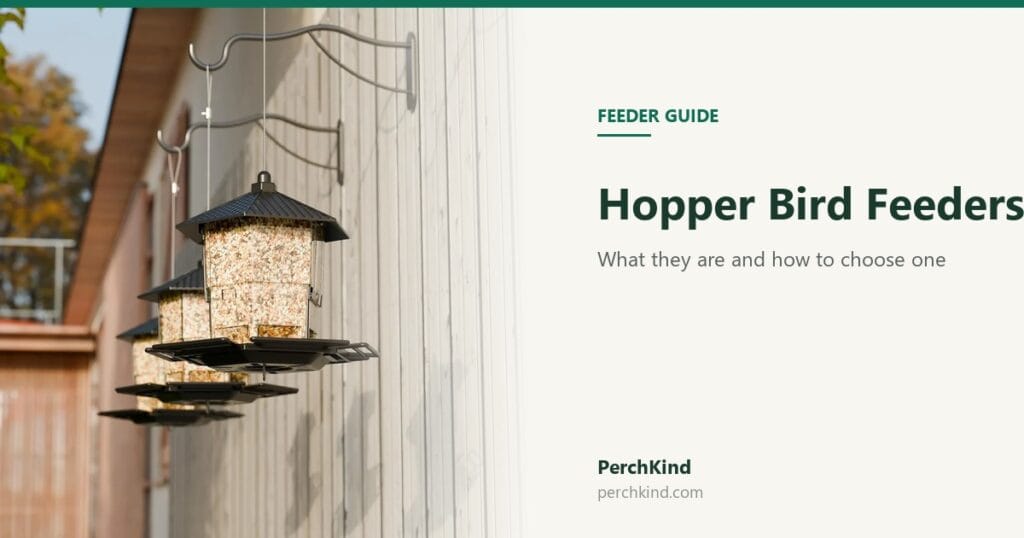
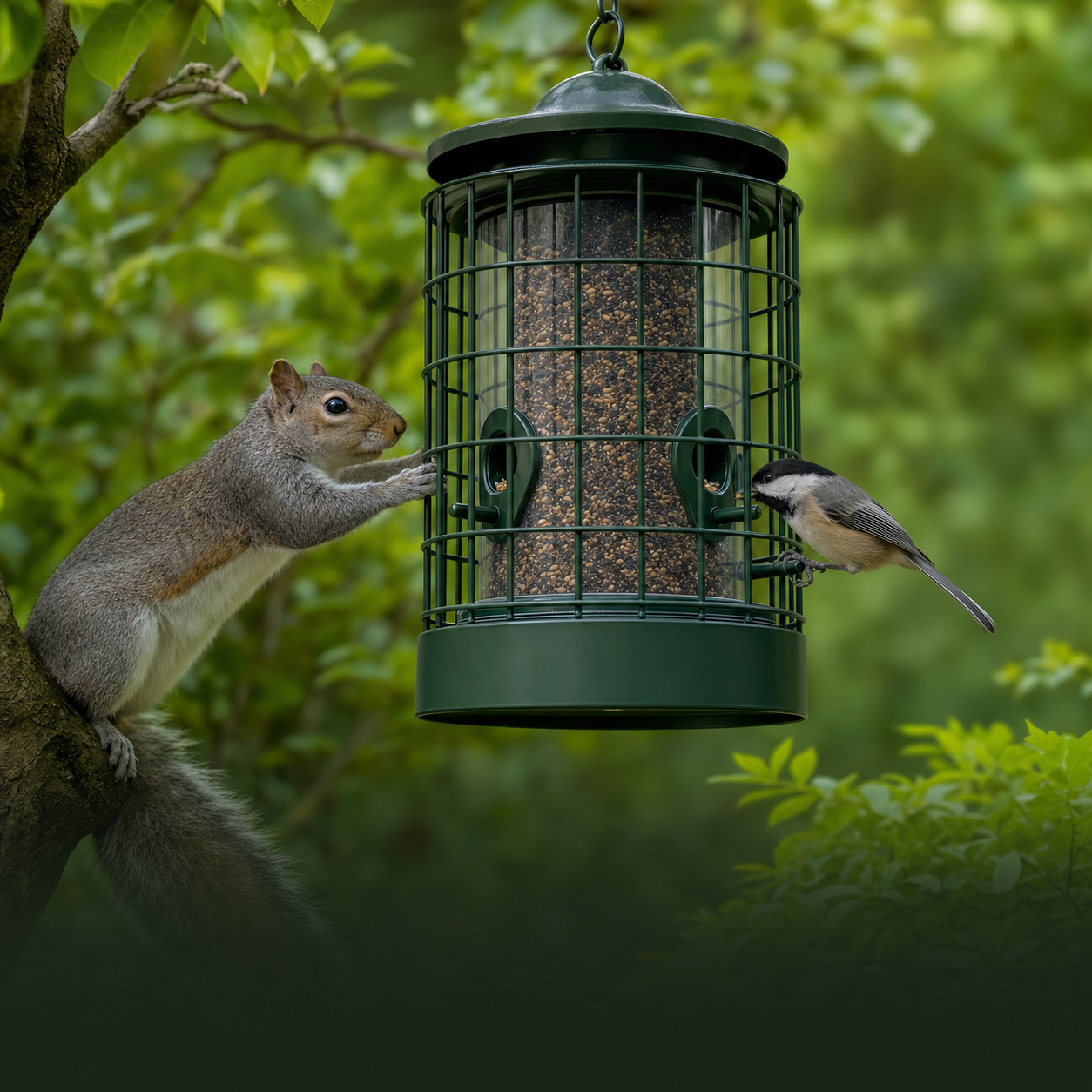
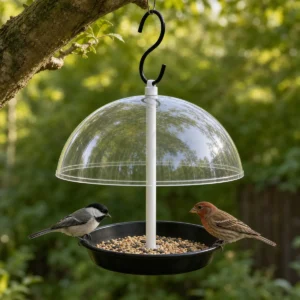
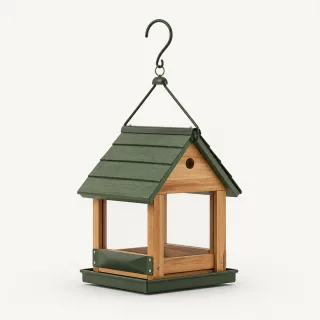
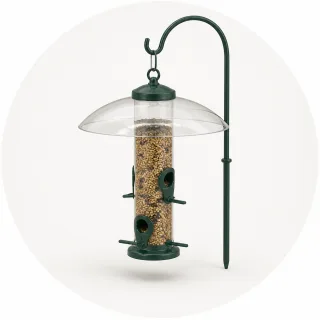
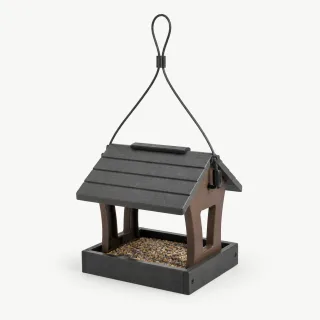
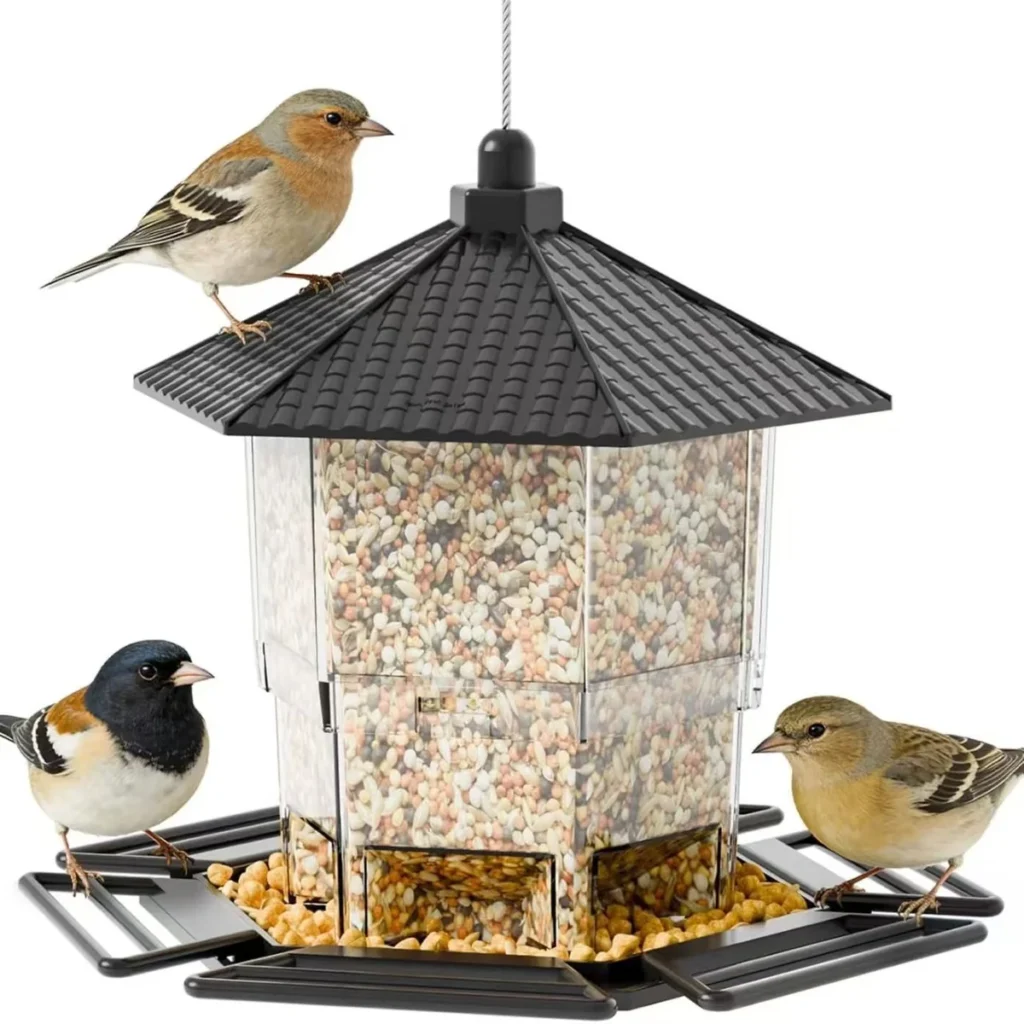
A covered seed reservoir feeds a tray by gravity. Compare hopper, tube and platform designs, cleaning access and squirrel-control limits.
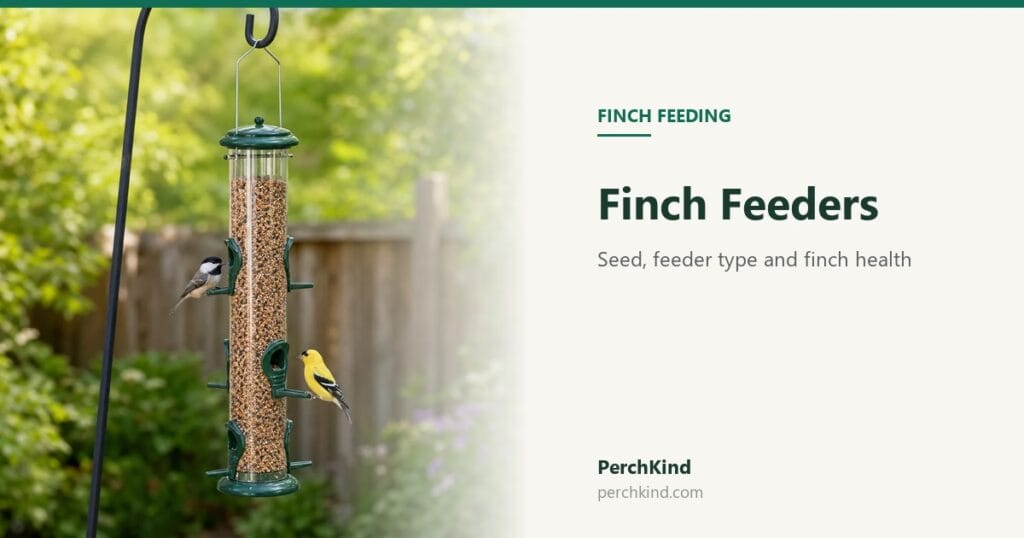
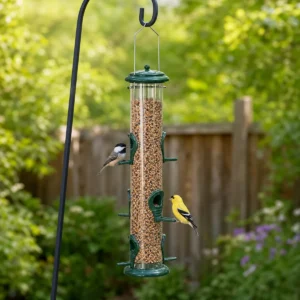
To attract finches, start with fresh sunflower or nyjer suited to the species present and the feeder’s openings. Cornell Lab’s American Goldfinch account names both for American Goldfinches and notes that these birds can use several feeder styles. No seed or feeder guarantees year-round visits. Choose food for the species actually present. Nyjer can attract […]
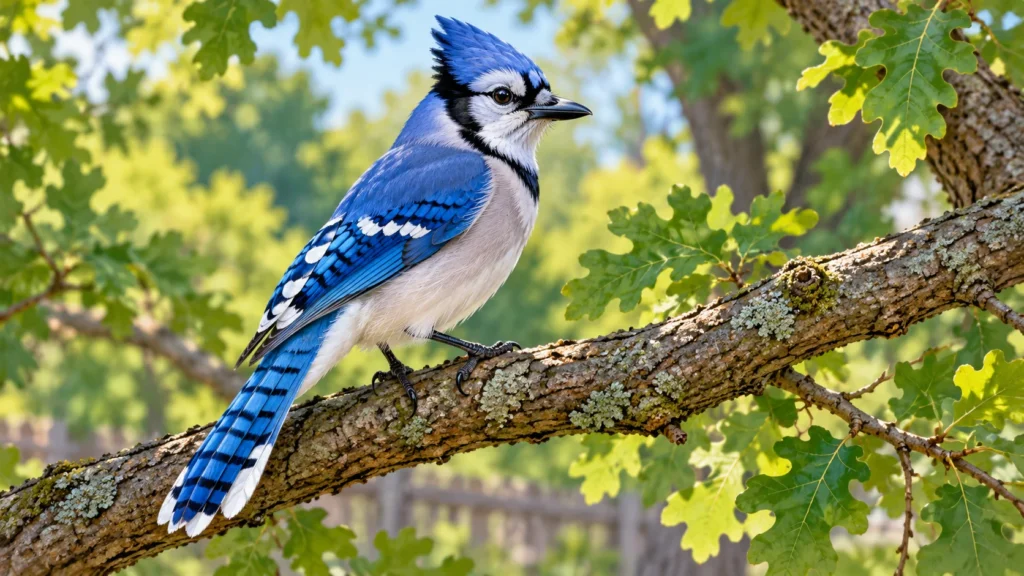
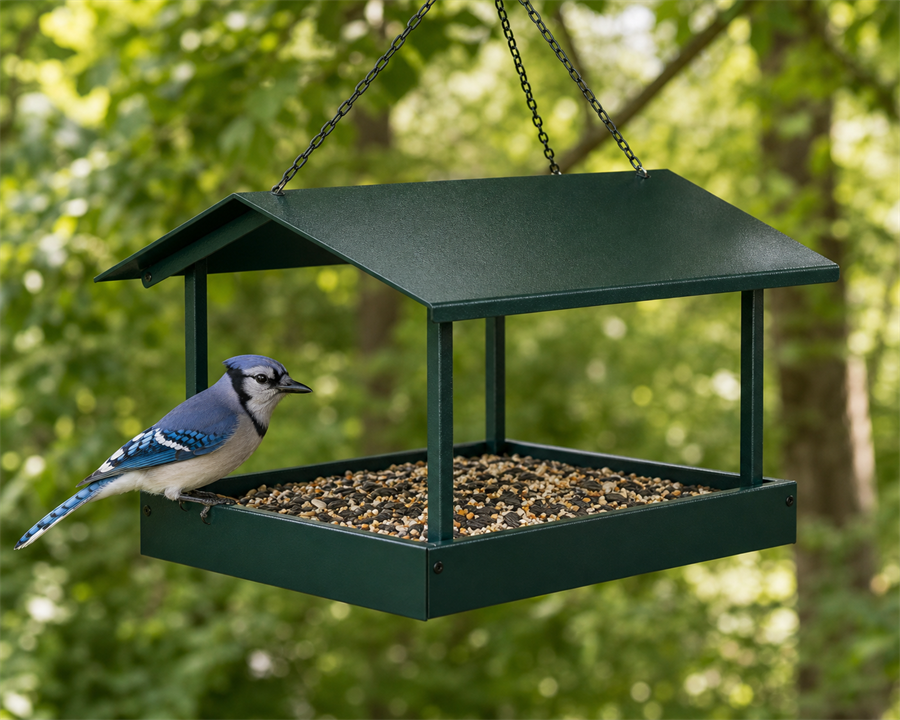
Offer Blue Jays fresh peanuts, sunflower seeds or suet with room to land and reach the food. Cornell reports a preference for post-mounted trays and hoppers; actual visits vary. Cover: AI-generated editorial illustration, not a wildlife photograph or product test.
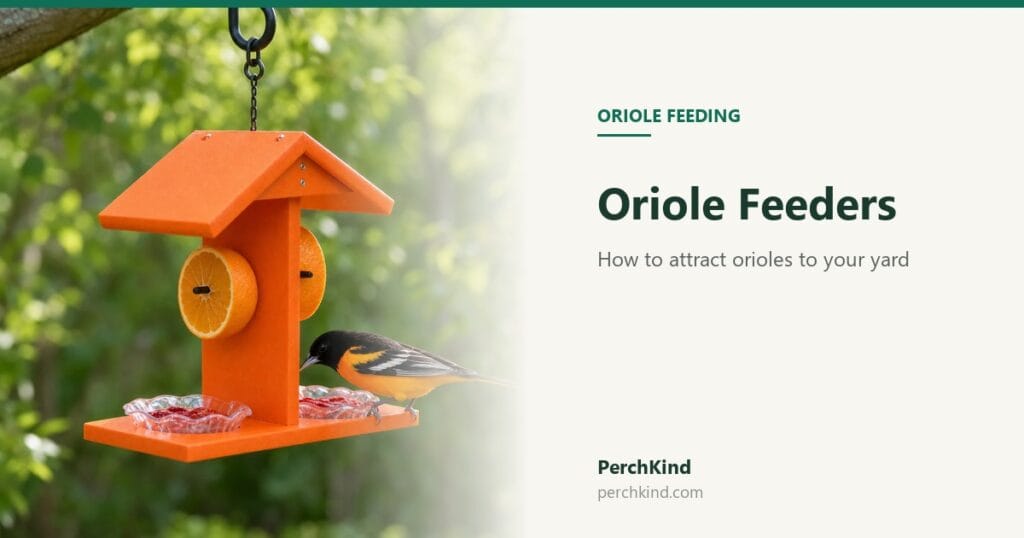
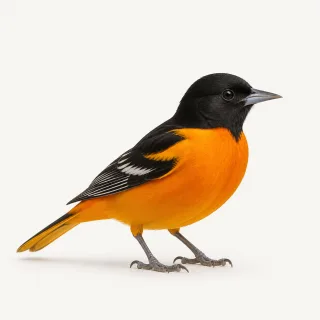
To attract Baltimore Orioles, offer ripe fruit such as orange halves, small amounts of jelly, or plain sugar water in a feeder designed for orioles. Cornell Lab’s Baltimore Oriole account describes these supplements to their natural diet. Choose a format you can keep clean; no food guarantees a visit, and a general seed mix is […]
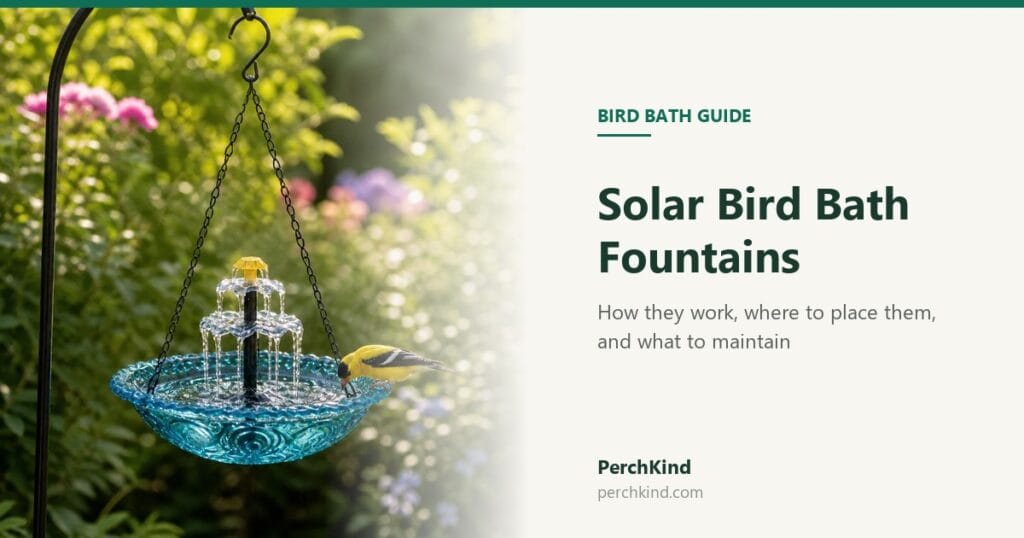
A solar bird bath fountain uses a photovoltaic panel to power a water pump, sometimes with battery storage and a cable to a separate panel. Compare the exact model’s light requirements, water-depth needs and cleaning access before buying. Solar power alone does not guarantee continuous operation. For bath types, placement and routine care beyond the […]
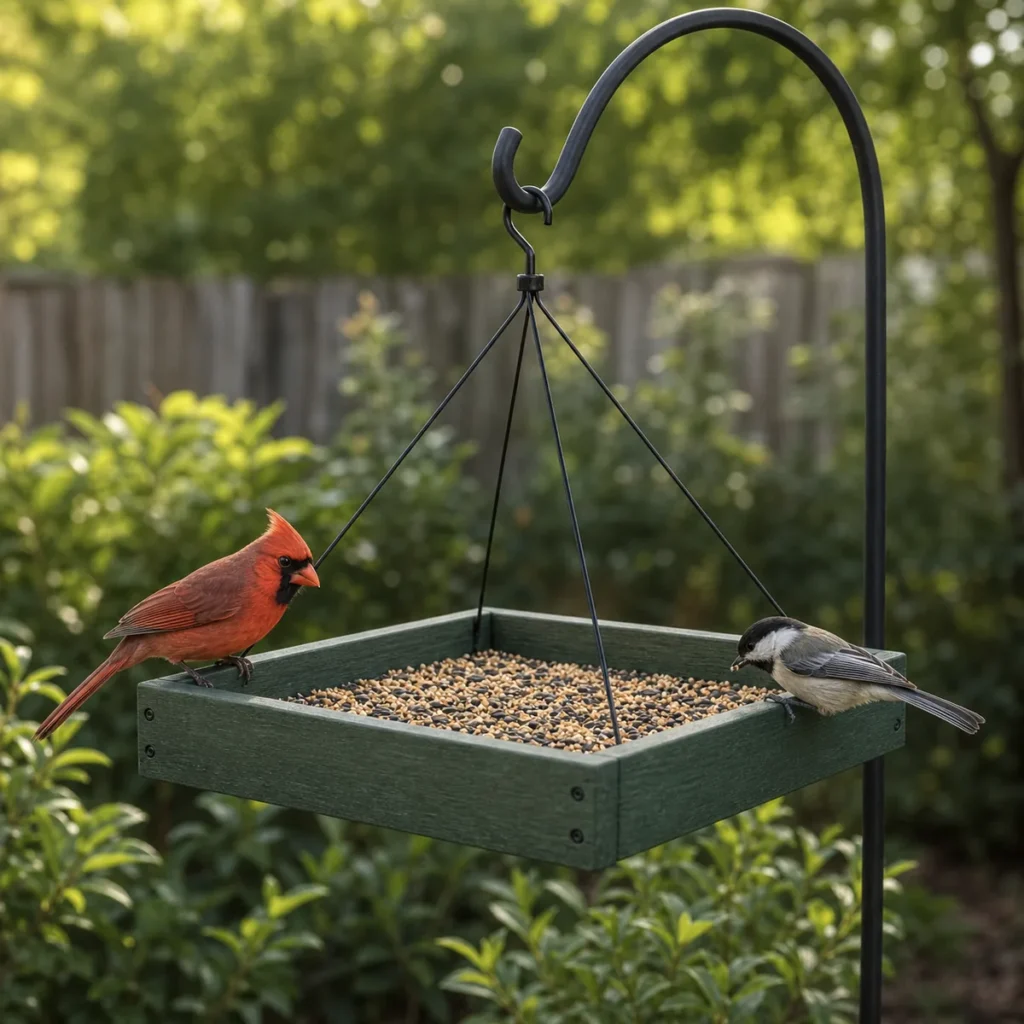
A practical food-selection guide for an open tray: what to offer, how to retain it, what to keep separate, and when another feeder is a better fit.
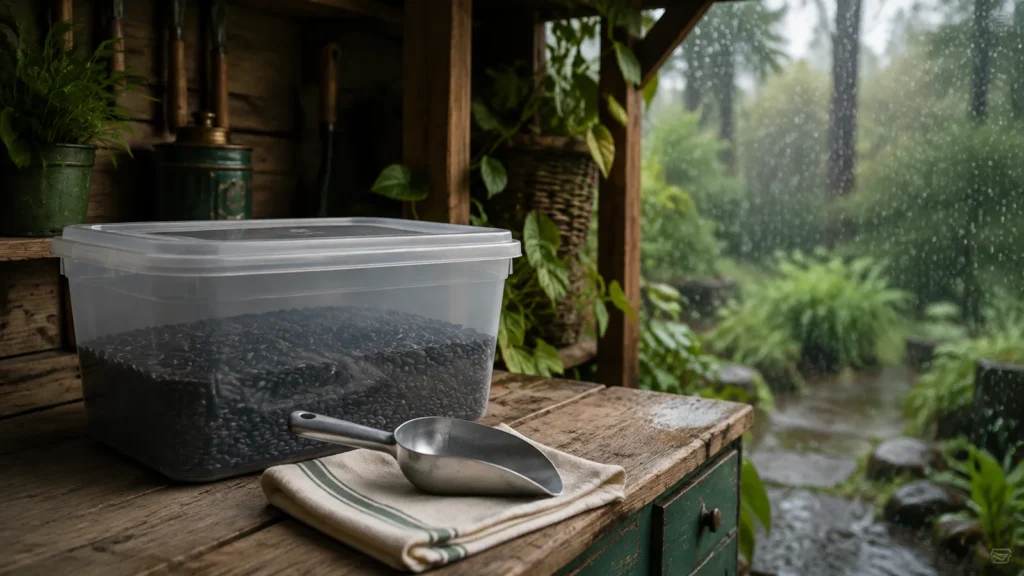
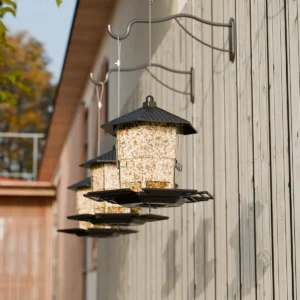
Reduce wet bird seed with better cover, clear drainage, smaller refills and a practical after-rain inspection routine.