Bird Houses
Bird houses and nest boxes with practical entrance, ventilation, drainage, secure mounting, and cleanout features.
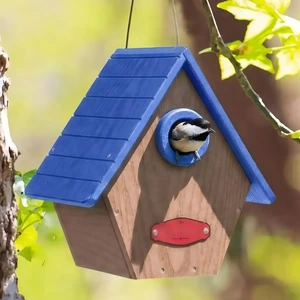
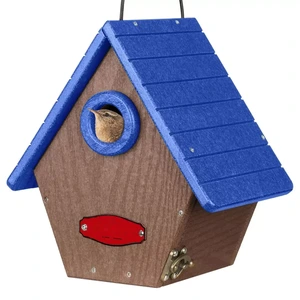
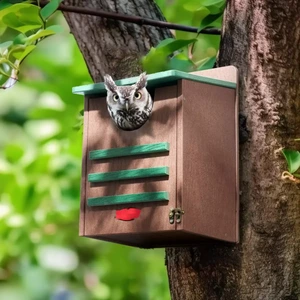
Buying guide
Bird Houses buying guide
Compare the options and review the selection, placement and care guidance before choosing.
Choosing the right option
Bird houses and nest boxes with practical entrance, ventilation, drainage, secure mounting, and cleanout features.
How to choose a practical bird house
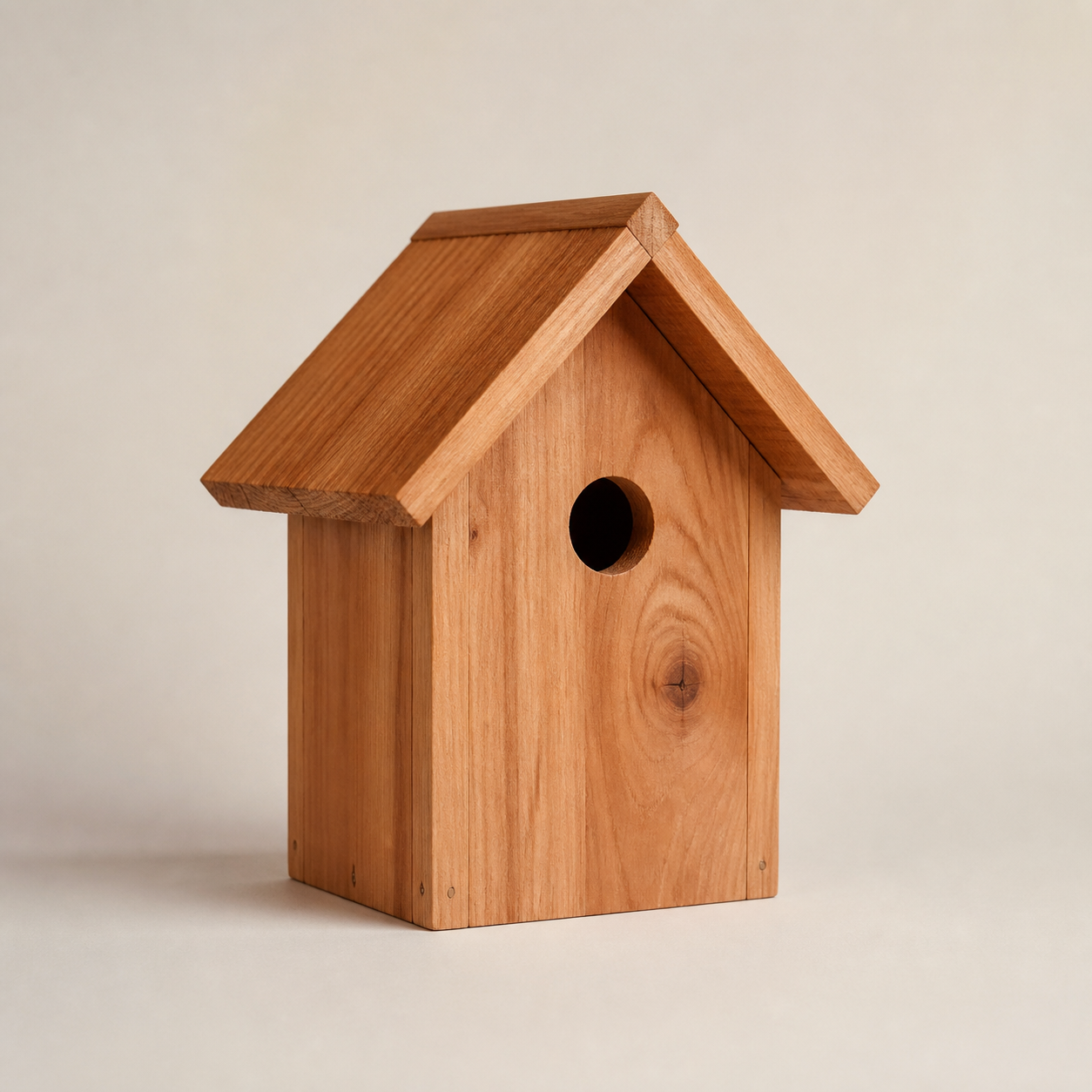
Start with the species and entrance size, then check ventilation, drainage, cleanout access, and mounting. A decorative house is not automatically a suitable nest box. The interior should stay ventilated and drain after moisture, the box should mount securely rather than swing, and an access panel should allow cleaning after the nesting period.
FeatureWhat to checkPerchKind box
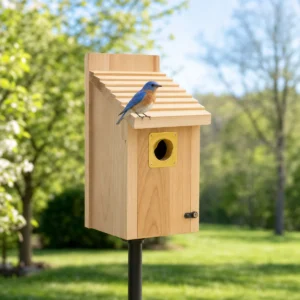
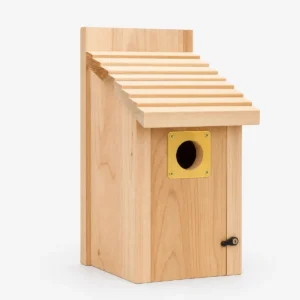
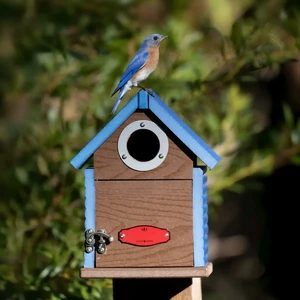
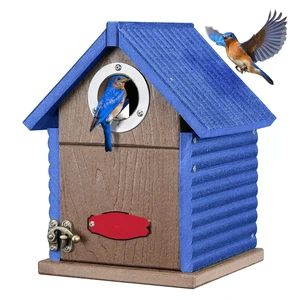
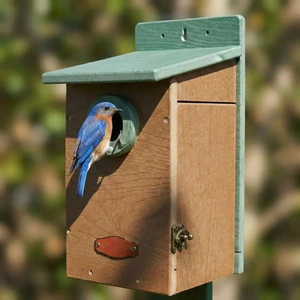
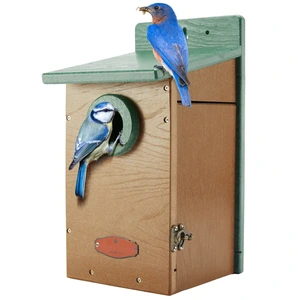
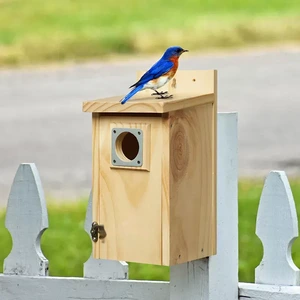
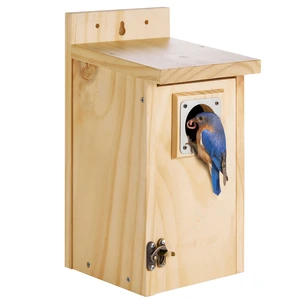
EntranceMatch entrance diameter to the intended local cavity-nesting species.1.5-inch opening with metal guard
Exterior perchMost cavity nesters do not need a perch below the entrance.No exterior perch
Weather managementLook for roof overhang, drainage, and ventilation rather than a sealed box.Projecting roof and ventilated structure
Seasonal careUse a door or panel that opens after the box is no longer occupied.Latched front cleanout door
The PerchKind natural wood bluebird house is supplied as a component kit and requires secure assembly and mounting hardware suited to the installation surface. Tighten the included fasteners during assembly, then inspect the mounted box periodically for movement, sharp damage, blocked drainage, or loose hardware. Review the product page before choosing a post, fence, or wall location.
Placement and responsible monitoring
Choose a stable site with an open approach path and keep dense branches away from the entrance. Do not open or disturb a box while an active nest is present. After young have fledged and the box is confirmed unoccupied, remove old material when appropriate and inspect the structure before the next season. NestWatch’s good-birdhouse guidance explains drainage, ventilation, predator protection, and maintenance. Its Eastern Bluebird plan provides species-specific placement and box guidance.
Bird house questions
Does a bluebird house need an exterior perch?
No. Bluebirds and other cavity nesters can enter without an exterior perch, and leaving it off avoids giving unnecessary support near the entrance.
Can one bird house suit every species?
No. Entrance size, floor area, box depth, habitat, and placement vary by species. Confirm which cavity nesters live locally before installation.
When should an old nest be removed?
Wait until the nest is no longer active and follow applicable local guidance. Never disturb eggs, nestlings, or an occupied box.
Explore more product and habitat guidance in the PerchKind birding guides.
How to choose a practical bird house
Start with the species and entrance size, then check ventilation, drainage, cleanout access, and mounting. A decorative house is not automatically a suitable nest box. The interior should stay ventilated and drain after moisture, the box should mount securely rather than swing, and an access panel should allow cleaning after the nesting period.
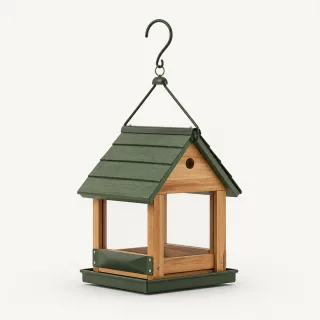
The comparison below describes the natural wood bluebird house linked here, not every nest box in this collection. Check each product’s actual entrance and interior dimensions.
| Feature | What to check | Natural wood bluebird house example |
|---|---|---|
| Entrance | Match entrance diameter to the intended local cavity-nesting species. | 1.5-inch opening with metal guard |
| Exterior perch | Most cavity nesters do not need a perch below the entrance. | No exterior perch |
| Weather management | Look for roof overhang, drainage, and ventilation rather than a sealed box. | Projecting roof and ventilated structure |
| Seasonal care | Use a door or panel that opens after the box is no longer occupied. | Latched front cleanout door |
The PerchKind natural wood bluebird house is supplied as a component kit and requires secure assembly and mounting hardware suited to the installation surface. Tighten the included fasteners during assembly, then inspect the mounted box periodically for movement, sharp damage, blocked drainage, or loose hardware. Review the product page before choosing a post, fence, or wall location.
Placement and everyday care
Placement and responsible monitoring
Choose a stable site with an open approach path and keep dense branches away from the entrance. Do not open or disturb a box while an active nest is present. After young have fledged and the box is confirmed unoccupied, remove old material when appropriate and inspect the structure before the next season. NestWatch’s good-birdhouse guidance explains drainage, ventilation, predator protection, and maintenance. Its Eastern Bluebird plan provides species-specific placement and box guidance.
Questions and further guidance
Bird house questions
Does a bluebird house need an exterior perch?
No. Bluebirds and other cavity nesters can enter without an exterior perch, and leaving it off avoids giving unnecessary support near the entrance.
Can one bird house suit every species?
No. Entrance size, floor area, box depth, habitat, and placement vary by species. Confirm which cavity nesters live locally before installation.
When should an old nest be removed?
Wait until the nest is no longer active and follow applicable local guidance. Never disturb eggs, nestlings, or an occupied box.
Explore more product and habitat guidance in the PerchKind birding guides.
Open a section to read the complete guidance.