


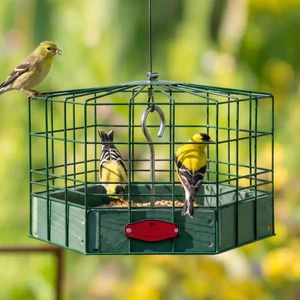
Platform Feeders
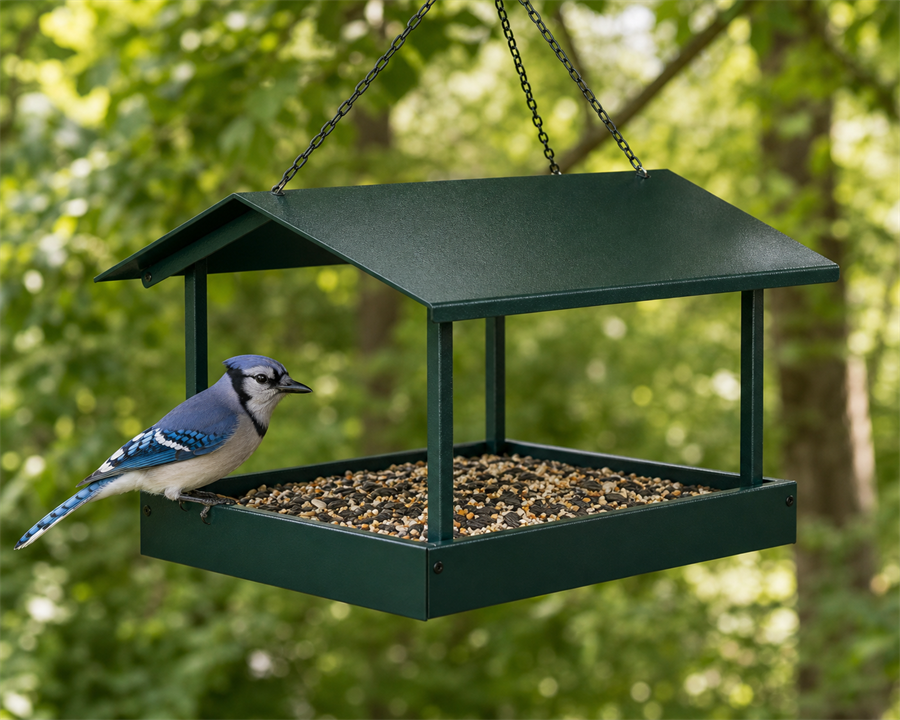
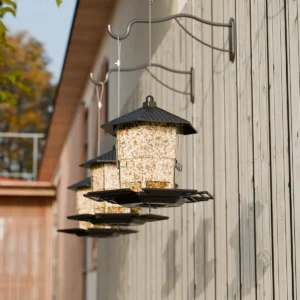
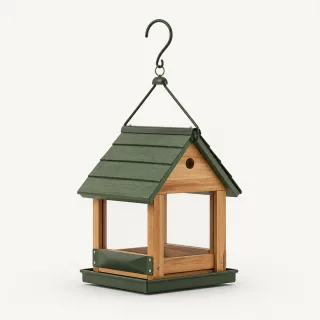
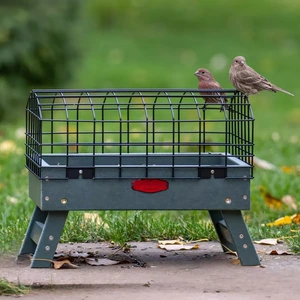
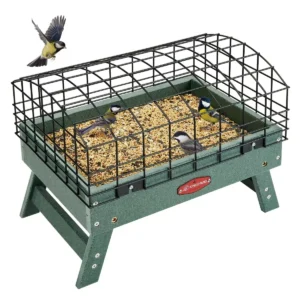
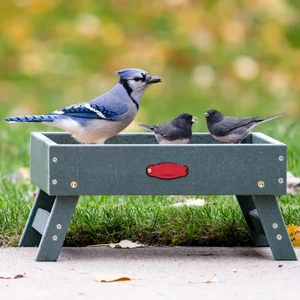
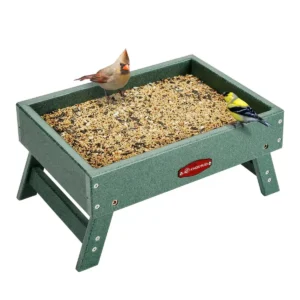
Platform bird feeders with open, draining, or covered trays for different foods and backyard conditions.
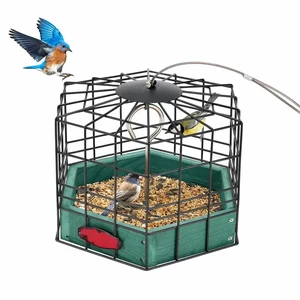
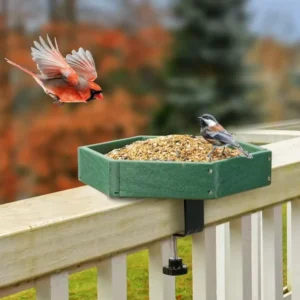
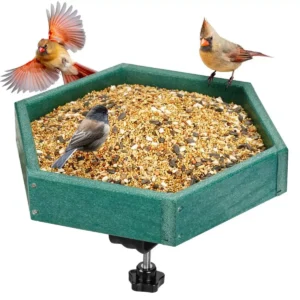
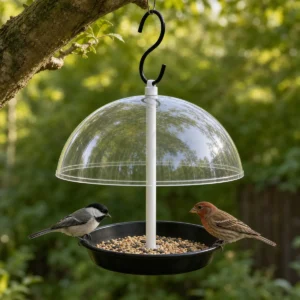
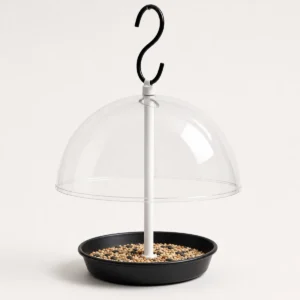
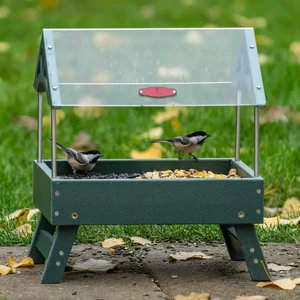
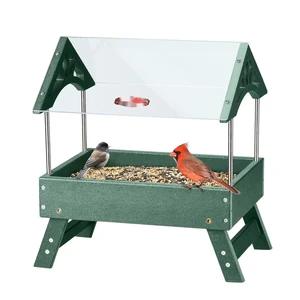
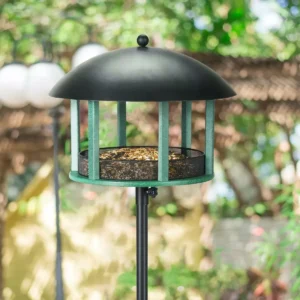
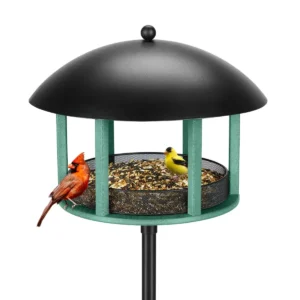
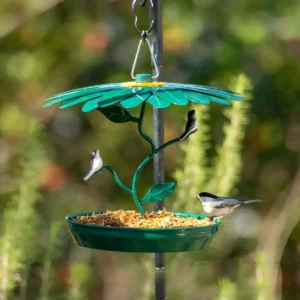
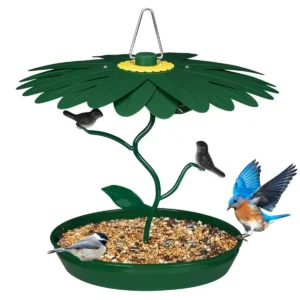
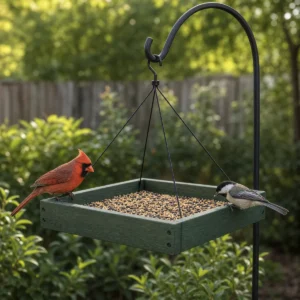
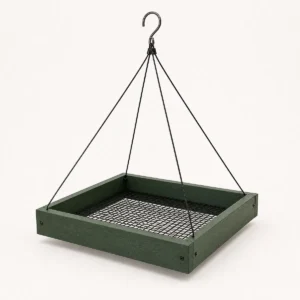
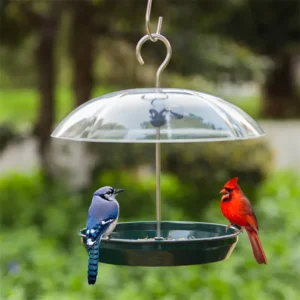
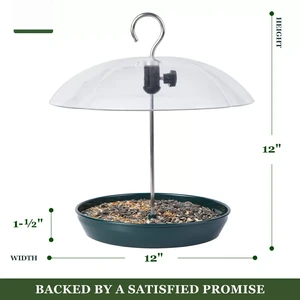
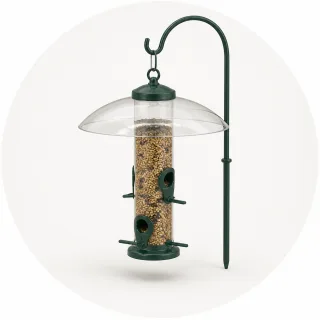
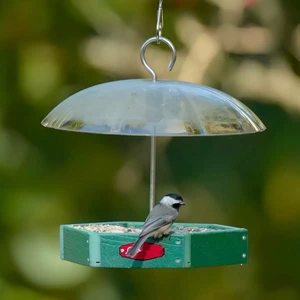
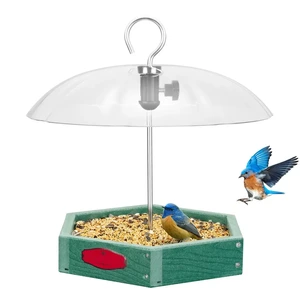
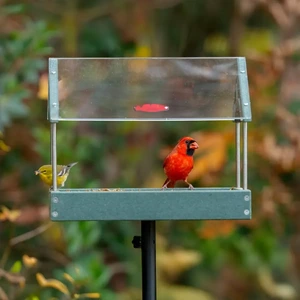
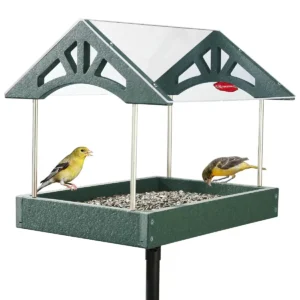
Hanging Seed Tray Feeder with Adjustable Clear Dome
Price range: $33.99 through $54.99
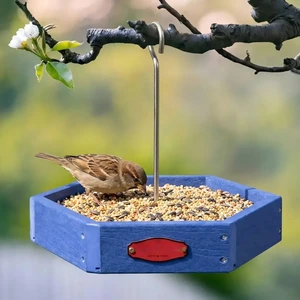
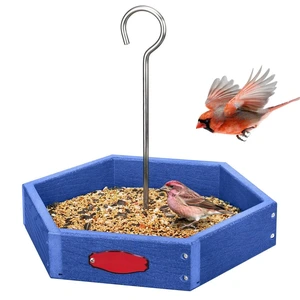
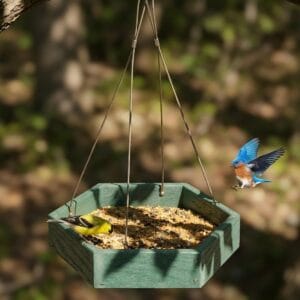
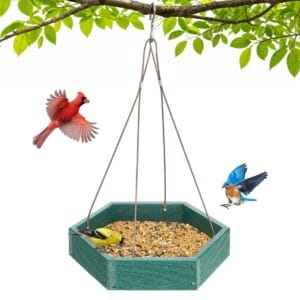
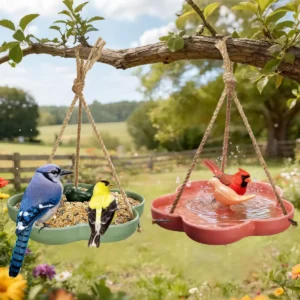
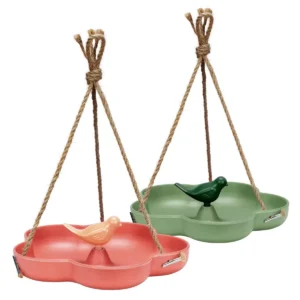
Rope-Hung Bird Bath and Feeding Trays
Price range: $28.99 through $39.99
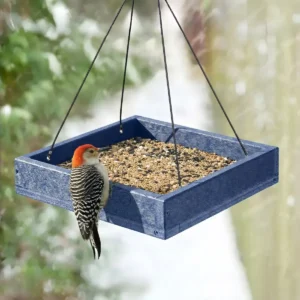
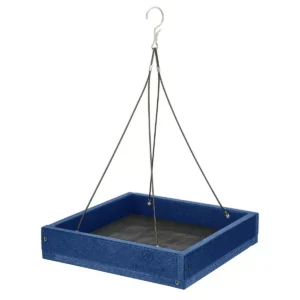
Square Hanging Bird Feeder with Mesh Floor
Price range: $27.99 through $44.99
Buying guide
Choosing your bird feeder
Match the feeder to the food, the birds already nearby, and a care routine you can maintain. Consider feeding access, placement and cleaning before capacity alone.
How to choose a bird feeder
UK readers: Follow current RSPB guidance before feeding. Its seed-and-peanut season is 1 November–30 April; it advises avoiding flat-surface feeders. Elsewhere, check local wildlife guidance.
This comparison covers the clear dome and hanging mesh products linked below. Other platform designs in the collection have different mounting, materials and care requirements.
Platform bird feeders with open, draining, or covered trays for different foods and backyard conditions.
Clear dome or open mesh platform?
Choose the clear dome when overhead shelter and an unobstructed view matter most; choose the mesh platform when you want more tray space, drainage, and food flexibility. Both feeders remain open at the sides, so wind-driven rain can still reach the food. Fill either tray with a shallow amount that birds can eat while it remains fresh.
DifferenceClear dome platformMesh platform
Feeding surfaceRound black tray with access around the rimApproximately 12-inch square metal-mesh tray
Weather handlingTransparent canopy helps shield food from light overhead rain and debrisOpen mesh floor drains water and improves airflow
Food optionsBest used with a shallow layer of dry seed or a suitable blendSupports seed, suitable nuts, fruit pieces, or mealworms
Hanging systemSingle S-hook and center supportFour suspension points meeting at a center hook
Confirmed capacityNot specified3.5 lb
View the clear dome hanging platform feeder for a lightweight covered tray, or compare the hanging mesh platform feeder for a larger draining surface. Each product page lists the confirmed materials, mounting parts, suitable foods, and included components.
Using a tray feeder well
Hang the feeder from a secure support with a clear flight path. Confirm that the S-hook or all four suspension cables are seated correctly before adding food. Keep the tray level, remove hulls, discard wet or clumped food, and wash contact surfaces with warm water and mild dish soap when needed. Rinse thoroughly and let every part dry before refilling.
Project FeederWatch’s feeding guidance recommends keeping food fresh and cleaning the area beneath feeders. Open trays make food easy to inspect, but they also make it especially important to avoid leaving old seed exposed.
Platform bird feeder questions
Which platform feeder handles rain better?
The dome helps with light overhead rain, while the mesh floor helps water drain after moisture reaches the tray. Neither design makes neglected or soaked food safe to leave in place.
Do platform feeders attract only small birds?
No. Their open surface can accommodate small and medium tray-feeding birds. The visitors depend on local species, food choice, placement, and the available landing space.
How much seed should go on an open tray?
Start with a shallow layer that can be eaten while fresh. Smaller refills make it easier to notice damp food, reduce prolonged exposure, and keep the tray cleaner.
For a broader comparison of platform, tube, hopper, nectar, and squirrel-resistant styles, visit the PerchKind bird feeder guide.
UK readers: Follow current RSPB guidance before feeding. Its seed-and-peanut season is 1 November–30 April; it advises avoiding flat-surface feeders. Elsewhere, check local wildlife guidance.
This comparison covers the clear dome and hanging mesh products linked below. Other platform designs in the collection have different mounting, materials and care requirements.
Compare feeder styles
Two original platform designs compared
Choose the clear dome when overhead shelter and an unobstructed view matter most; choose the mesh platform when you want more tray space, drainage, and food flexibility. Both feeders remain open at the sides, so wind-driven rain can still reach the food. Fill either tray with a shallow amount that birds can eat while it remains fresh.
| Difference | Clear dome platform | Mesh platform |
|---|---|---|
| Feeding surface | Round black tray with access around the rim | Approximately 12-inch square metal-mesh tray |
| Weather handling | Transparent canopy helps shield food from light overhead rain and debris | Open mesh floor drains water and improves airflow |
| Food options | Best used with a shallow layer of dry seed or a suitable blend | Supports seed, suitable nuts, fruit pieces, or mealworms |
| Hanging system | Single S-hook and center support | Four suspension points meeting at a center hook |
| Confirmed capacity | Not specified | 3.5 lb |
View the clear dome hanging platform feeder for a lightweight covered tray, or compare the hanging mesh platform feeder for a larger draining surface. Each product page lists the confirmed materials, mounting parts, suitable foods, and included components.
Placement and everyday care
Using a tray feeder well
Hang the feeder from a secure support with a clear flight path. Confirm that the S-hook or all four suspension cables are seated correctly before adding food. Keep the tray level, remove hulls, discard wet or clumped food, and wash contact surfaces with warm water and mild dish soap when needed. Rinse thoroughly and let every part dry before refilling.
Project FeederWatch’s feeding guidance recommends keeping food fresh and cleaning the area beneath feeders. Open trays make food easy to inspect, but they also make it especially important to avoid leaving old seed exposed.
Bird feeder questions
Platform bird feeder questions
Which platform feeder handles rain better?
The dome helps with light overhead rain, while the mesh floor helps water drain after moisture reaches the tray. Neither design makes neglected or soaked food safe to leave in place.
Do platform feeders attract only small birds?
No. Their open surface can accommodate small and medium tray-feeding birds. The visitors depend on local species, food choice, placement, and the available landing space.
How much seed should go on an open tray?
Start with a shallow layer that can be eaten while fresh. Smaller refills make it easier to notice damp food, reduce prolonged exposure, and keep the tray cleaner.
For a broader comparison of platform, tube, hopper, nectar, and squirrel-resistant styles, visit the PerchKind bird feeder guide.
Already have a tray? Read what to put in a platform bird feeder for food choices, mesh compatibility, and manageable portions.
For rain exposure and smaller refills, see how to keep bird seed dry. In parts of North America where Blue Jays occur, our Blue Jay feeder guide explains feeding access and placement. Check local wildlife guidance before offering food.
Open a section to read the complete guidance.