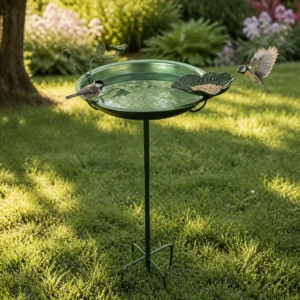
Bird Baths
PerchKind bird baths are chosen for one reason: water brings birds that seed alone will not. Fresh, clean water can support drinking and bathing; how quickly birds find a bath depends on the site and local species.
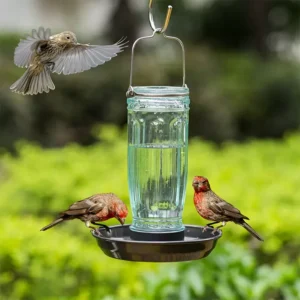
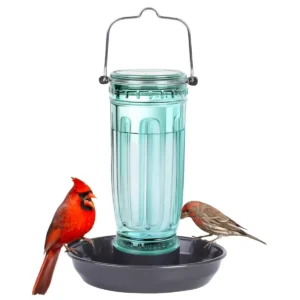
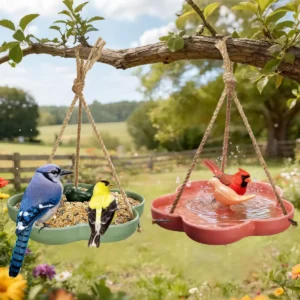
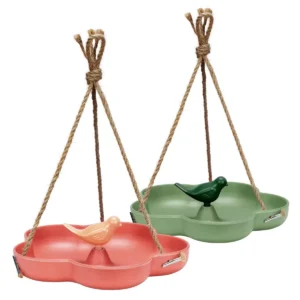
Buying guide
Bird Baths buying guide
Compare the options and review the selection, placement and care guidance before choosing.
Choosing the right option
PerchKind bird baths are chosen for one reason: water brings birds that seed alone will not. Fresh, clean water can support drinking and bathing; how quickly birds find a bath depends on the site and local species.
How to choose a bird bath
Four decisions matter more than the design.
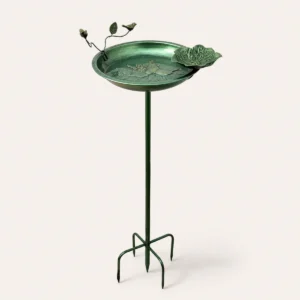
Height and mounting. A pedestal or ground-stake bath suits an open lawn with a clear sightline. A hanging bath suits a deck, a balcony, or a yard where ground predators are a concern. Some birds prefer ground-level water. Choose the mounting height with local visitors and predator exposure in mind.
Depth. Provide shallow water: no deeper than 2.5 cm (1 inch) at the edges, sloping to a maximum of 5 cm (2 inches) in the centre. A secure stone or gently sloped surface can provide a shallow standing area.
Surface texture. A smooth glazed bowl is slippery. A textured or gently sloped interior gives birds grip, which is why so many baths include a rough centre or a built-in shelf.
Winter. In freezing weather, use a bath or heater only as its manufacturer permits. Moving water does not guarantee an ice-free or clean basin; birds can also obtain water from snow and dripping icicles.
Start with our bird bath guide for setup and care, or compare pump options in our solar bird bath fountain guide.
Compare options
Bath type — best for — PerchKind option
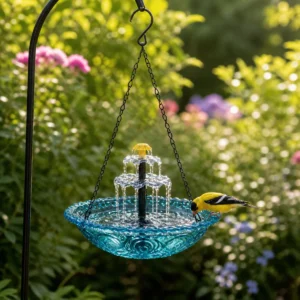
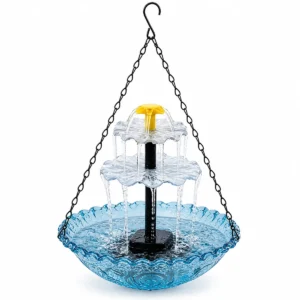
Hanging / deck — decks, balconies, and yards with ground predators, keeping cats at a distance — Solar cascade hanging bird bath
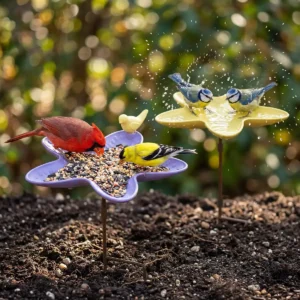
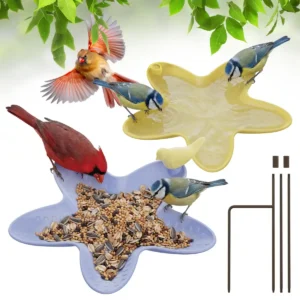
Ground-stake — lawns and garden beds, low enough for ground-feeding species — Ground-stake bird bath
Pedestal — an open lawn with a clear approach and a visible, classic placement — browse the range above
Heated — cold-weather water provision where the unit is rated for the conditions — confirm the model’s instructions and availability above
Placement and everyday care
Moving water and routine care
Dripping or moving water may help birds notice a bath. A fountain or cascade does not guarantee visits, prevent all mosquito breeding or replace regular water changes and cleaning.
Solar fountains run without wiring, which is the practical reason they suit most yards. The trade-off is output on overcast days. Our guide to solar bird bath fountains explains how they work, which type suits which yard, and what to expect when the sun does not cooperate.
Keeping the water clean and usable
A bath needs more attention than a feeder, not less. Standing water grows algae, and a dirty bath spreads disease between the birds that share it. Replace water every day or two when temperatures are above freezing, and sooner when dirty. Scrub away debris and algae; use a material-compatible cleaning method, rinse thoroughly and follow any pump or heater instructions. Never add antifreeze or glycerin to the water.
The full bird bath guide covers types, placement, cleaning, and winter care in one place.
Questions and further guidance
Bird bath questions
How deep should a bird bath be?
Keep the edges no deeper than 2.5 cm (1 inch), with a gradual slope to at most 5 cm (2 inches) in the centre. A stable stone can provide a shallow standing area.
Do bird baths attract mosquitoes?
Mosquitoes may lay eggs in standing water. Empty and refill the bath every day or two when temperatures are above freezing; do not rely on a pump alone to prevent breeding.
Where should I put a bird bath?
In the open, with a clear approach, and within about 3 metres (10 feet) of shrubs so birds can escape to cover. Keep it away from dense low cover where cats can wait unseen.
Do birds use a bird bath in winter?
Some birds use baths in winter, but visits vary. An appropriately installed heater may keep water available; a fountain alone does not guarantee frost protection. Follow the manufacturer’s cold-weather instructions.
Explore more product and habitat guidance in the PerchKind birding guides.
Open a section to read the complete guidance.