Bird Feeders
PerchKind bird feeders are chosen around one practical question: which feeder actually suits your birds, your yard, and your squirrel pressure — not which one looks best in a catalogue.
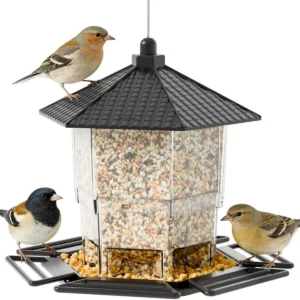
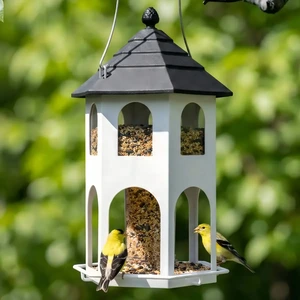
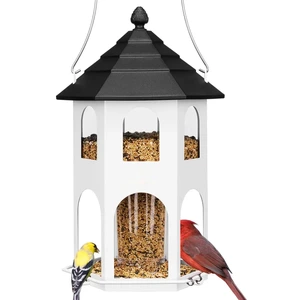
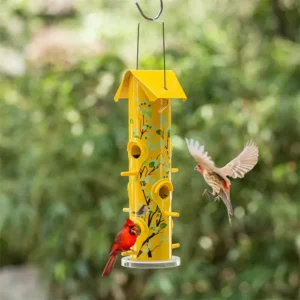
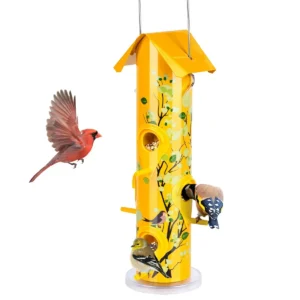
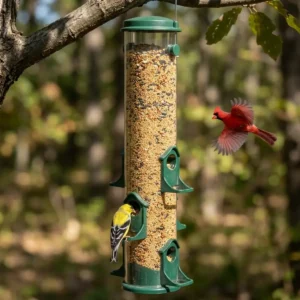
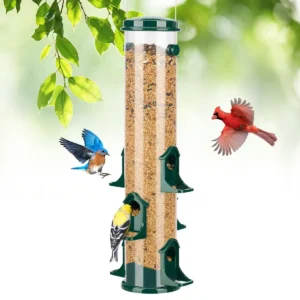
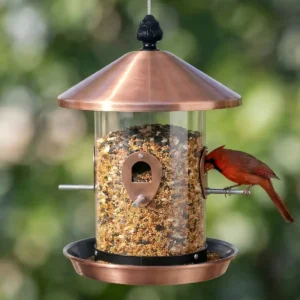
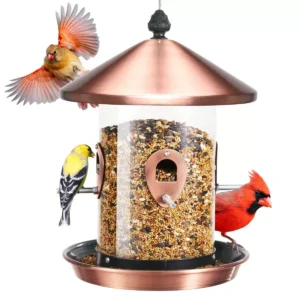
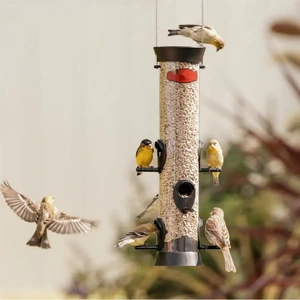
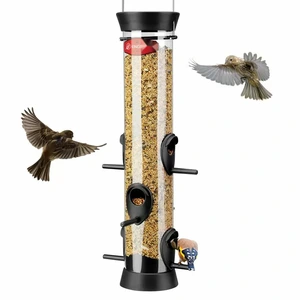
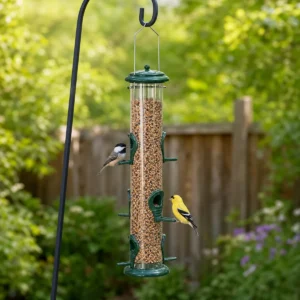
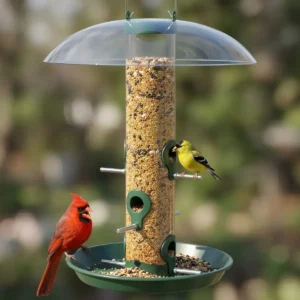
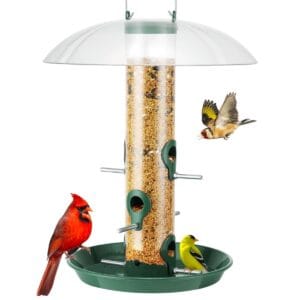
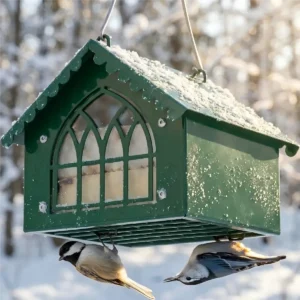
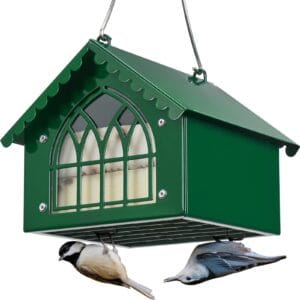
Clear Seed Tube Feeder with Offset Perches
Price range: $25.99 through $36.99
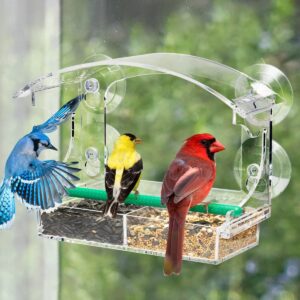
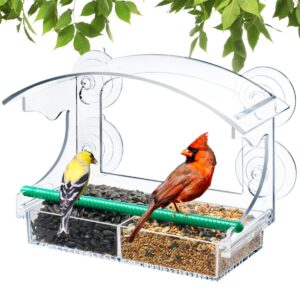
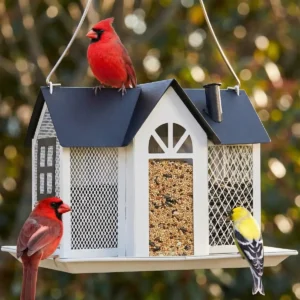
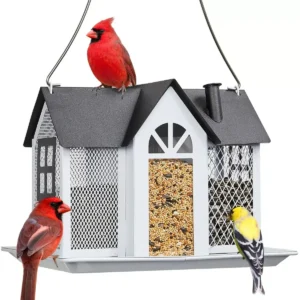
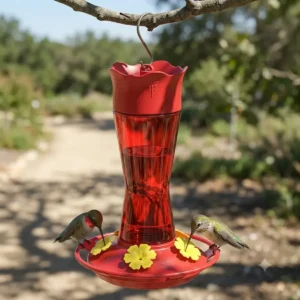
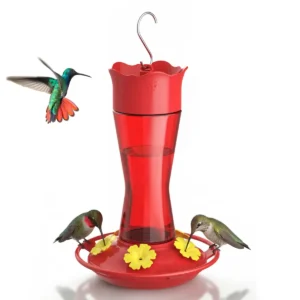
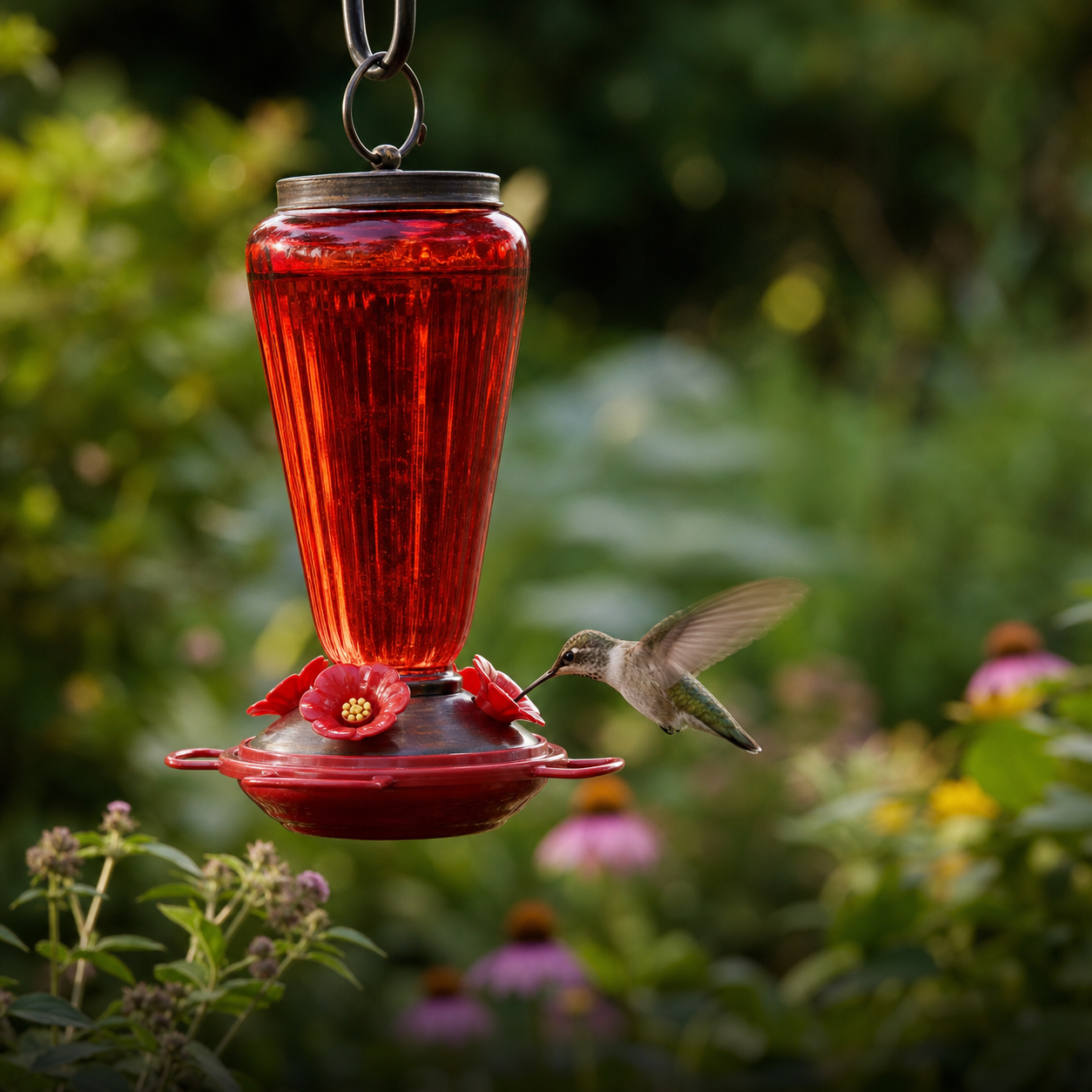
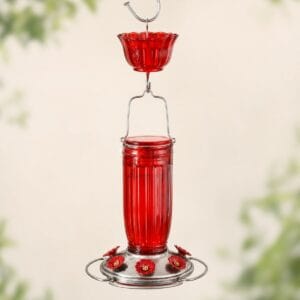
Curved Glass Hummingbird Feeder with Flower Ports
Price range: $24.99 through $36.99
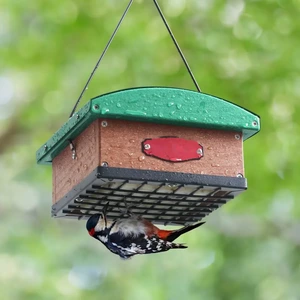
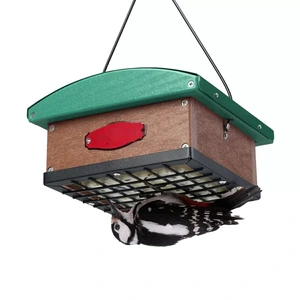
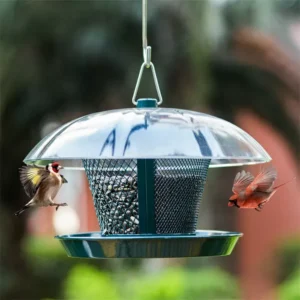
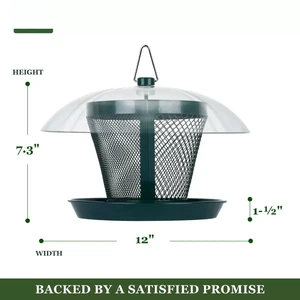
Explore Bird Feeder Types
Compare feeder styles by bird, food, space, and squirrel pressure.
Buying guide
Choosing your bird feeder
Match the feeder to the food, the birds already nearby, and a care routine you can maintain. Consider feeding access, placement and cleaning before capacity alone.
How to choose a bird feeder
PerchKind bird feeders are chosen around one practical question: which feeder actually suits your birds, your yard, and your squirrel pressure — not which one looks best in a catalogue.
How to choose a bird feeder
Five things decide whether a feeder works for you, and only one of them is the feeder itself.
Mounting. Hanging, pole-mounted, window-mounted, or ground-level. Hanging suits open yards with a strong branch or hook. A pole gives you control over height and lets you fit a baffle below.
Seed type. Mixed seed, black-oil sunflower, nyjer, nectar, jelly, and suet each need a different port or tray design. A feeder built for one often wastes the others.
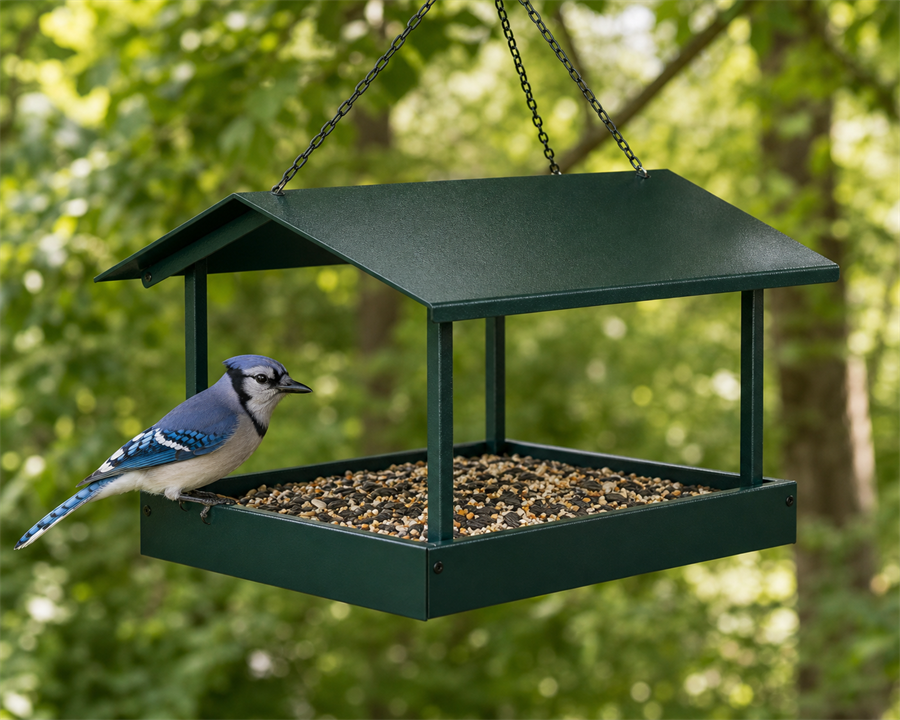
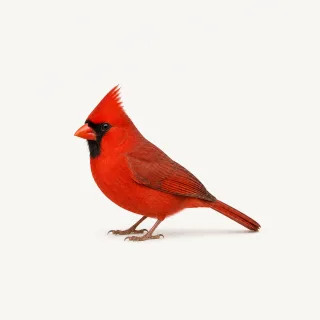
Bird size. Short perches and small ports favour finches and chickadees. Wide, open trays suit cardinals, jays, and doves, which need room to land.
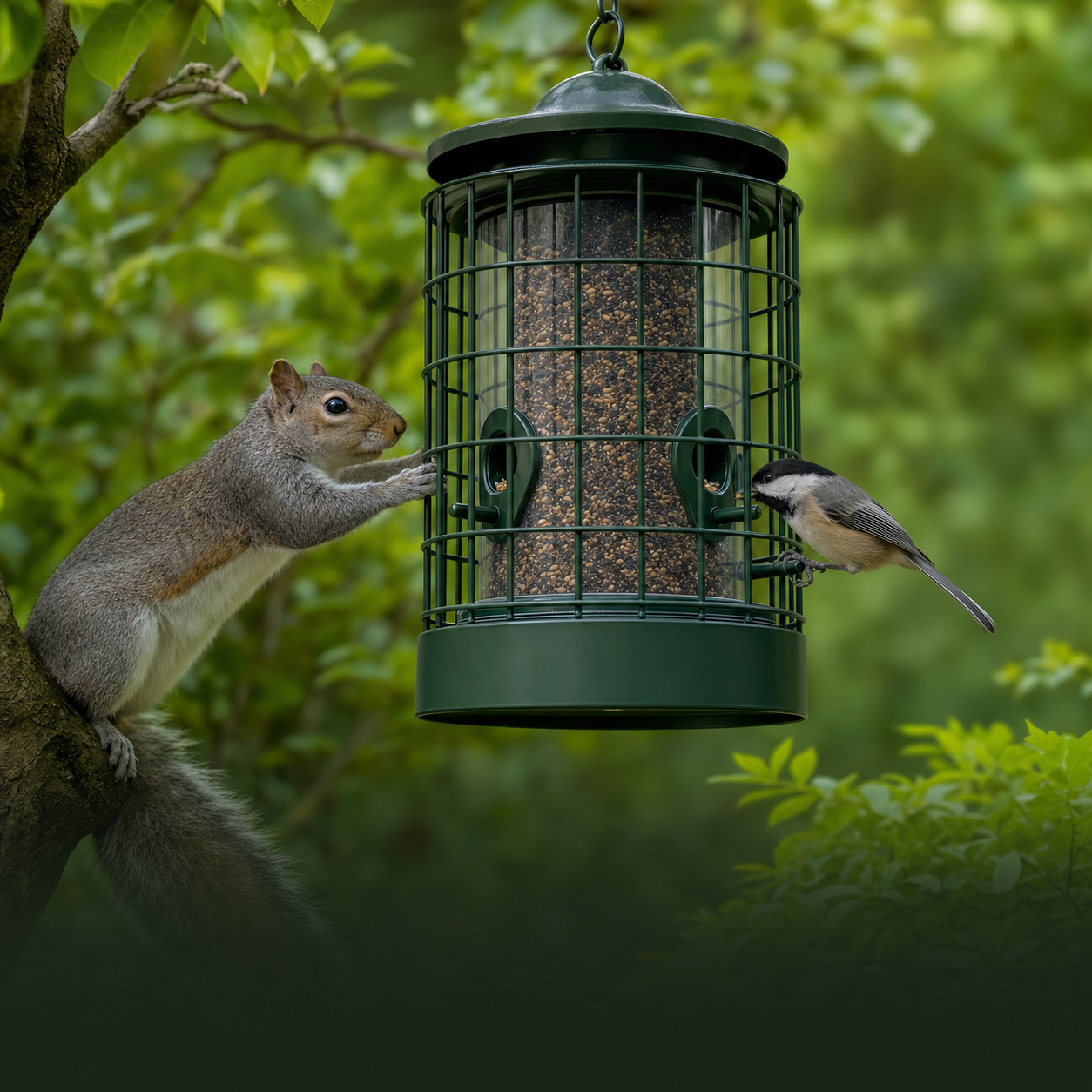
Squirrel pressure. A baffle below a pole stops climbing; a weight-activated perch closes the ports when something heavy lands. Neither works if the feeder hangs within jumping distance of a fence.
Cleaning. A feeder you can open and scrub in a minute gets cleaned. One that does not, does not — and a dirty feeder spreads disease.
Match the feeder to the bird you actually have
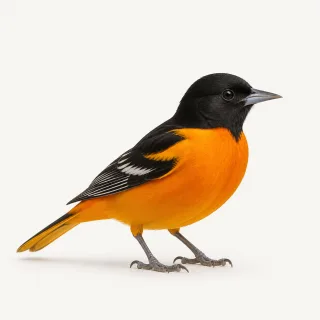
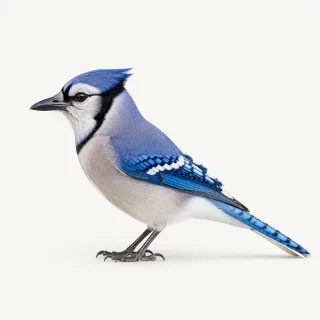
The species in your yard should drive the purchase, not the other way round. Our species guides cover the specifics: oriole feeders explains why orioles are gaping feeders and why that explains the grape jelly; blue jay feeders covers what jays really eat and why the nest-raiding reputation is largely undeserved; and finch feeders answers whether you actually need a dedicated nyjer feeder.
If you are still deciding between categories rather than products, start with the bird feeder guide.
Compare feeder styles
Feeder type — best for — PerchKind option
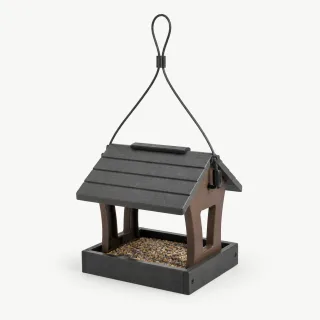
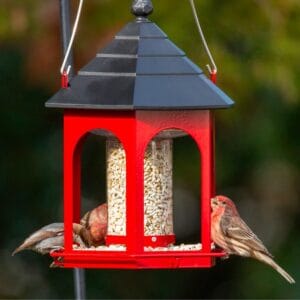
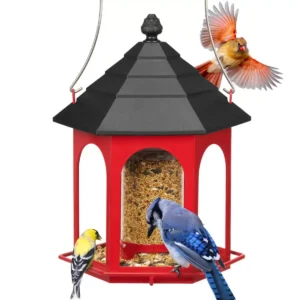
Hopper — mixed seed and sunflower for a wide range of birds, with protected seed storage — Adjustable hanging hopper feeder
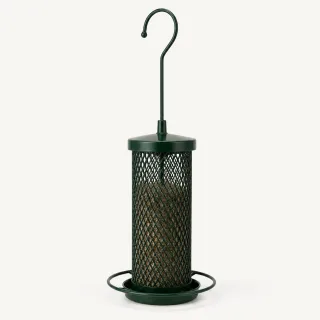
Tube — nyjer and sunflower for finches, chickadees, and titmice — Six-port tube feeder
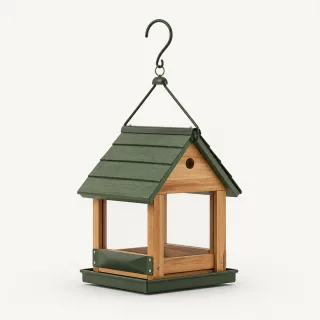
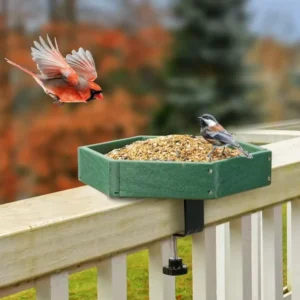
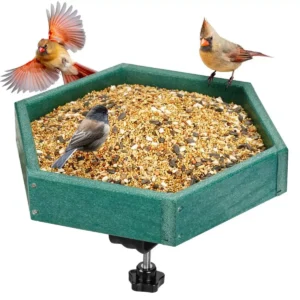
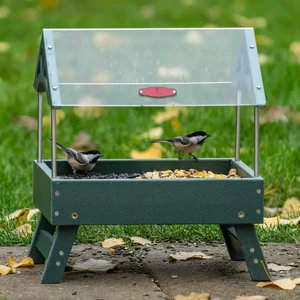
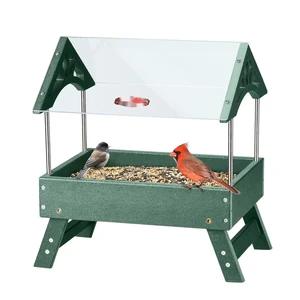
Platform / tray — cardinals, jays, doves, and other larger or ground-feeding species — Hanging platform feeder
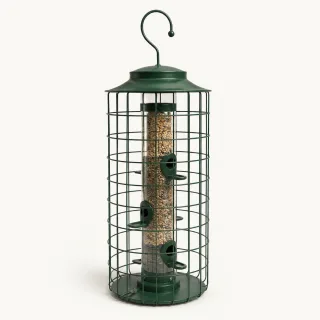
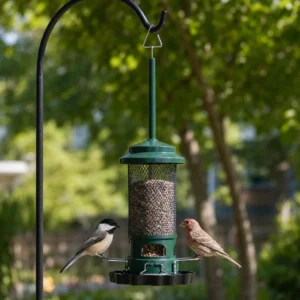
Weight-activated — yards with heavy squirrel traffic — Squirrel-resistant feeder
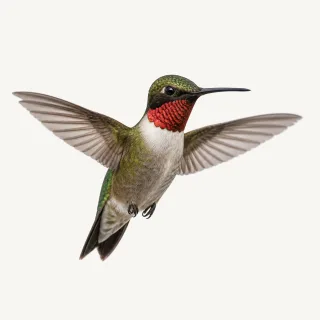
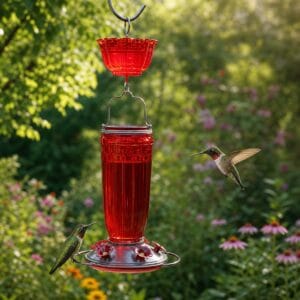
Nectar — hummingbirds, from spring through autumn — Glass hummingbird feeder
Jelly and fruit — orioles, especially during migration and nesting season — Oriole feeder with jelly cups
Placement and everyday care
Placement, seed, and cleaning
Most feeder problems are placement or maintenance problems, not product problems. Three guides cover the recurring ones: where to put a feeder safely (window strikes, predator cover, and how far to keep feeders from glass), how to keep seed dry (mould, clumping, and drainage), and how to clean a feeder (a routine that prevents disease spread).
If squirrels are the obstacle, eleven humane methods covers baffles, spacing, and the tactics that reliably fail.
Bird feeder questions
Bird feeder questions
What is the best bird feeder for a beginner?
A hopper or platform feeder. Both accept a wide range of seed, suit most backyard species, and are easy to open and clean. Tube feeders are excellent but more selective about seed and bird size.
Do I need a squirrel-proof feeder?
Only if baffles and placement have already failed. A weight-activated feeder solves the problem at the feeder itself, but it works best combined with a pole and a baffle rather than on its own.
How often should a bird feeder be cleaned?
Every two weeks in normal conditions, and more often in warm or wet weather, when seed spoils and mould grows faster.
Can I hang a feeder on a window?
Yes, and window-mounted feeders can actually reduce collisions, because birds slow down to land rather than building up speed toward the glass. Keep the feeder either very close to the glass or well beyond the strike zone.
Explore more product and habitat guidance in the PerchKind birding guides.
Open a section to read the complete guidance.