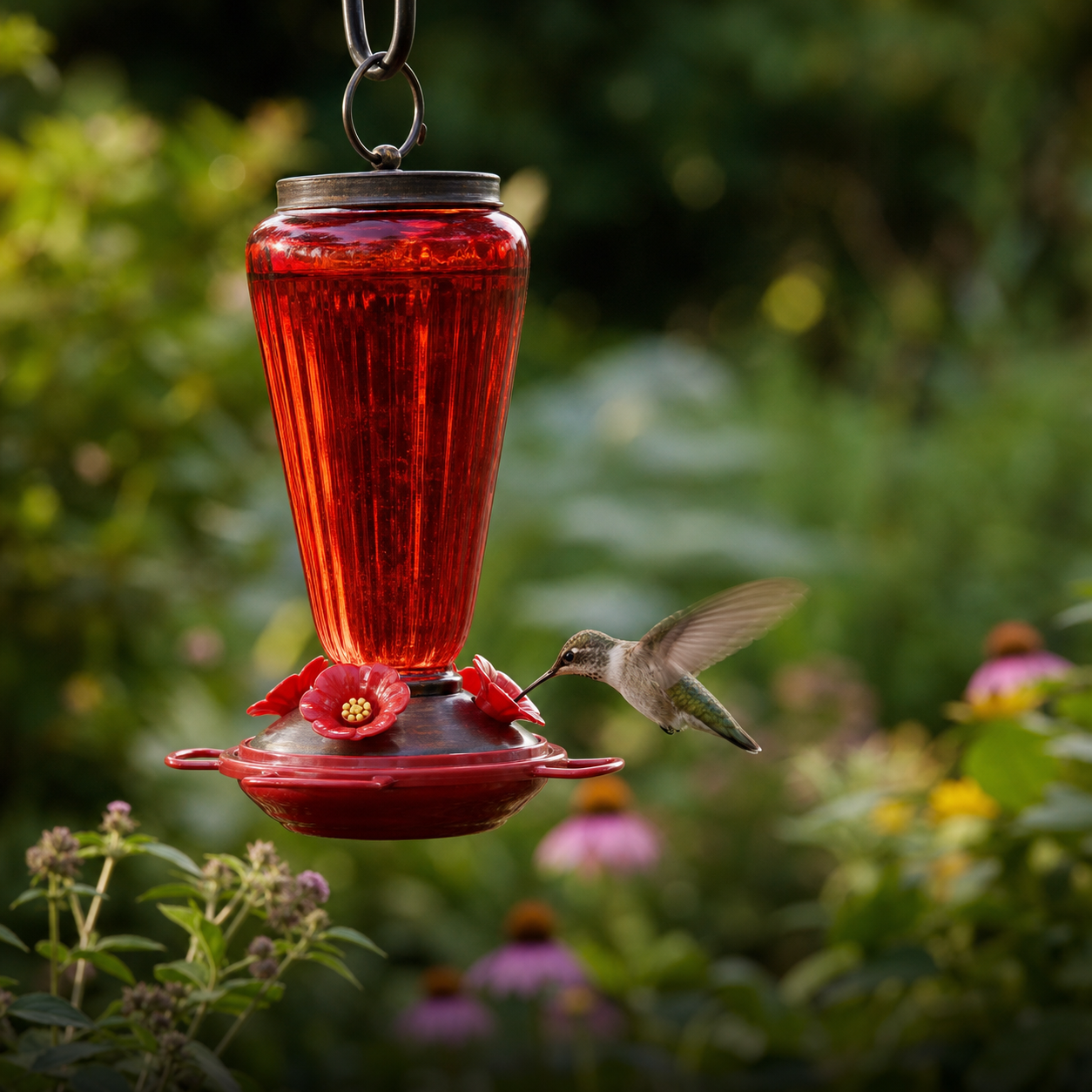
16 oz Glass Hummingbird Feeder with Ant Moat
$24.99

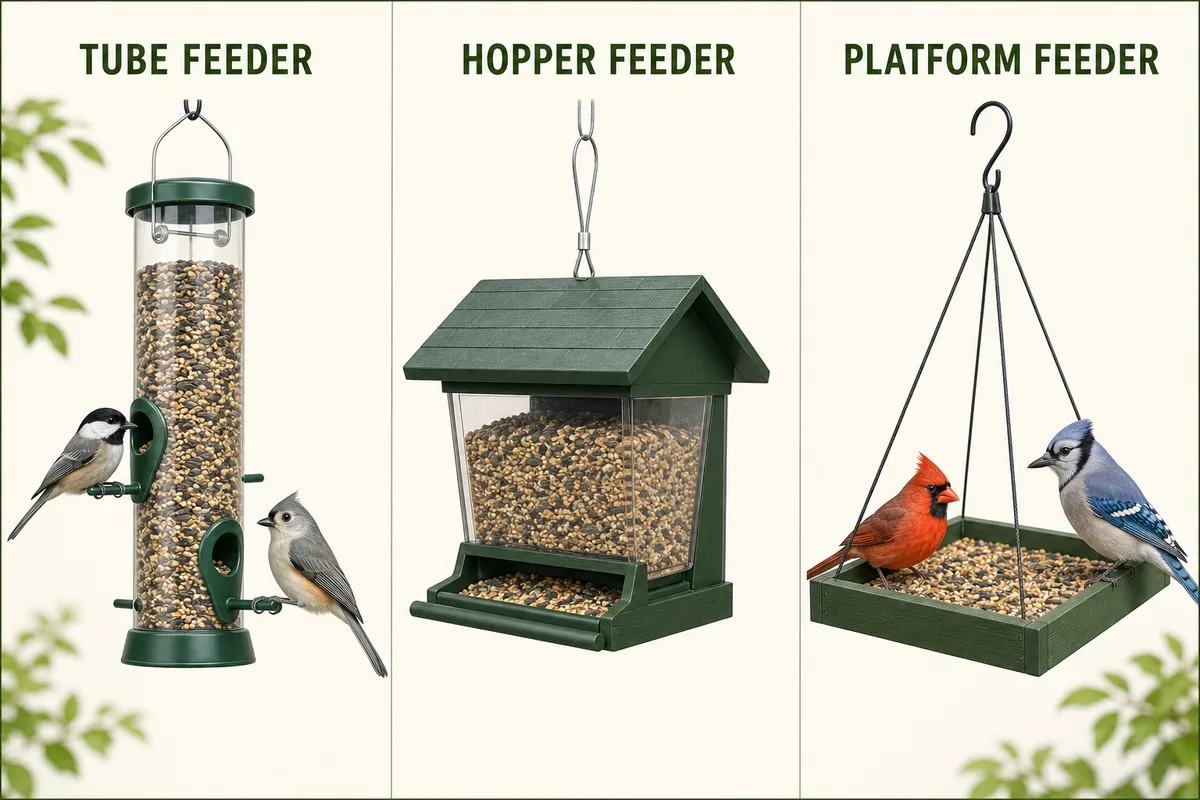
To choose a bird feeder, match the food and feeding space to birds already in your area. A tube is a useful starting point for small perching birds; a hopper offers a covered seed reservoir and a tray; a platform provides open landing space but leaves food more exposed. Choose nectar equipment separately for hummingbirds or orioles. Then check cleaning access, drainage and a secure mounting method before capacity or decoration.
This guide is for first-feeder decisions in the United States and Canada, not a ranking based on product trials. No single style guarantees particular visitors. The comparison below gives a starting point; the buying checklist and real product examples help you check the exact model. Follow local wildlife advisories before feeding.
For an independent overview of common designs and the birds they tend to serve, compare the Cornell Lab bird feeder guide.
On smaller screens, scroll the comparison sideways to read every column.
| Your main goal | Best feeder type to start with | Why it fits | Check before buying |
|---|---|---|---|
| Attract small songbirds | Tube feeder | Multiple ports and compact perches suit finches, chickadees, titmice, and nuthatches. | Seed must suit the ports; confirm that the base and every feeding opening can be cleaned. |
| Welcome many common backyard birds | Hopper feeder | A covered seed reservoir offers useful capacity and comfortable access for different bird sizes. | Inspect the tray, outlets and reservoir. A roof is not a guarantee that seed stays dry. |
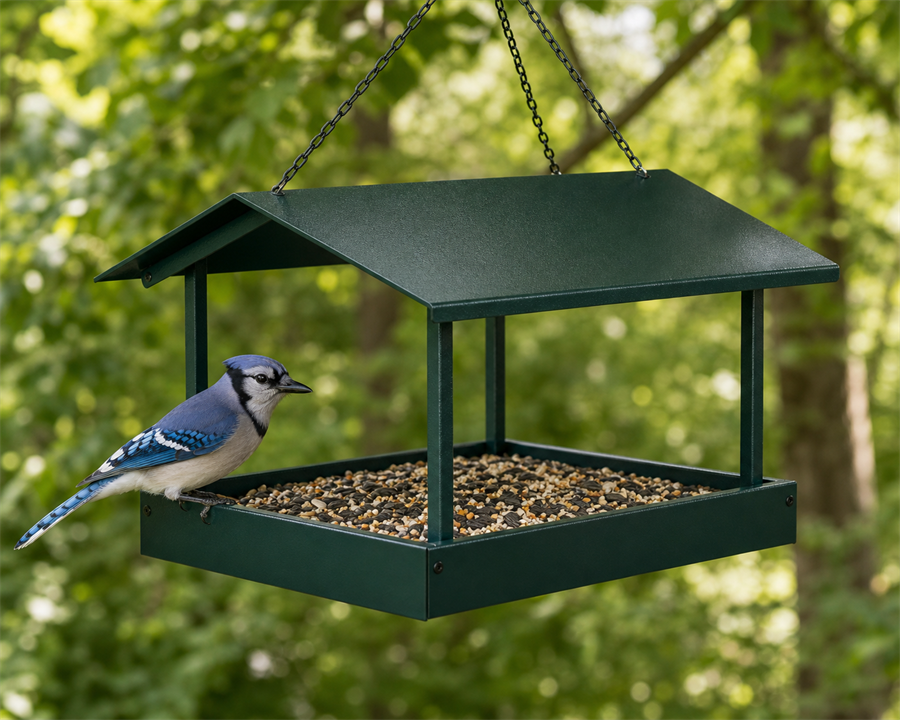
| Give larger birds more landing room | Platform feeder | An open tray accommodates cardinals, jays, doves, and birds that prefer a flat feeding surface. | Check drainage and your after-rain cleanup routine; an open tray does not exclude squirrels. |
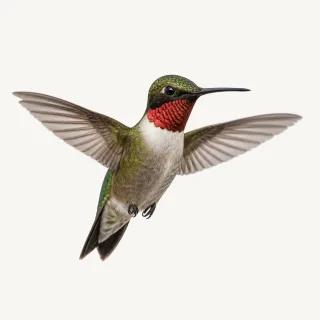
| Attract hummingbirds | Hummingbird feeder | Nectar ports are designed for hummingbird feeding behavior rather than seed. | Every nectar-contact surface must be reachable for cleaning; match the volume to actual use. |
| Attract orioles | Oriole feeder | Purpose-built holders can offer nectar, fruit, or jelly in a format orioles can use. | Confirm which food holders are included and whether cups, ports and perches come apart. |
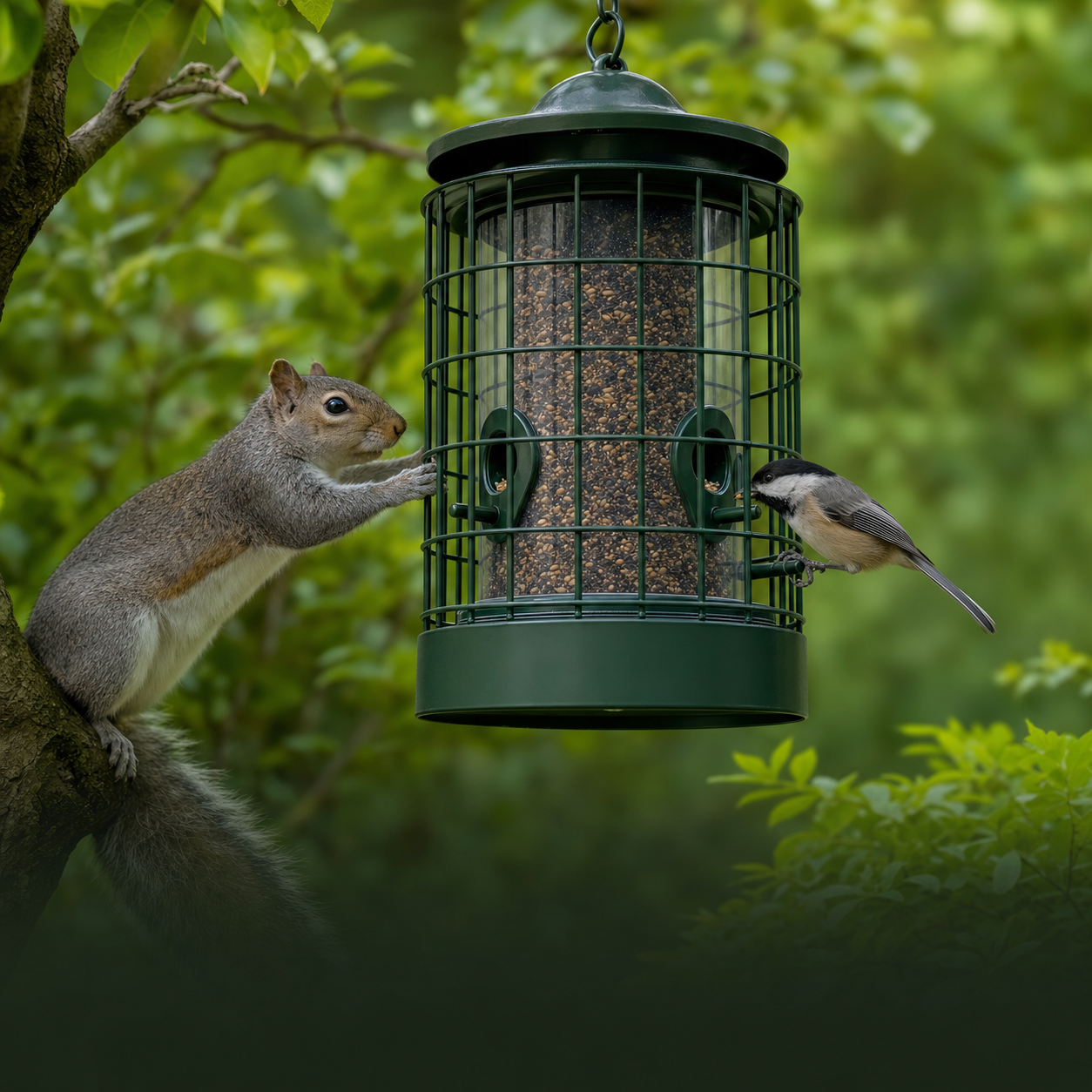
| Reduce squirrel access | Squirrel-resistant feeder | Weight-sensitive, caged, or guarded designs add protection when placement and baffles are not enough. | Check the exact cage or closing mechanism and mounting instructions, not the label alone. |
If you are completely new to feeding birds, begin with one feeder rather than buying a full station at once. Watch which birds visit, how quickly the food is used, and where mess or competition develops. Your second feeder can then solve a real need instead of duplicating the first.
Feeder design affects which birds can land, perch, and reach the food comfortably. Small birds can use many feeder styles, but larger birds often need a tray, broad perch, or open approach. Some species prefer seed, while hummingbirds and orioles need purpose-built feeders for nectar or fruit.
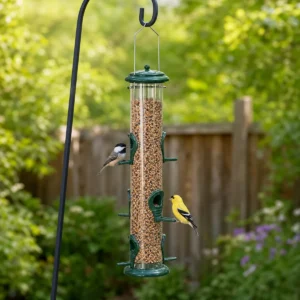
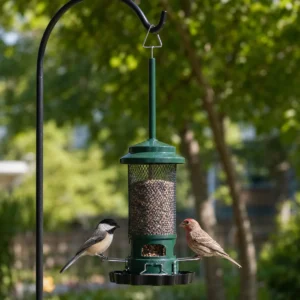
A tube feeder is a strong starting point for small, agile birds. Its raised ports let several birds feed while keeping most of the seed inside an enclosed reservoir. Perch length and port size matter: short perches tend to favor smaller birds, while a tray or longer perch makes the feeder easier for larger visitors to use.
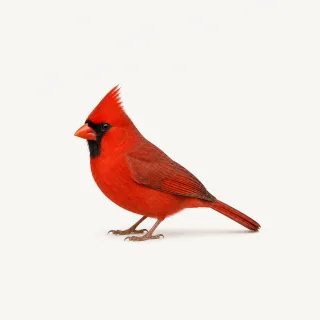
Birds with larger bodies often feed more comfortably on a platform or on the broad ledge of a hopper feeder. Cardinals in particular benefit from enough space to face the food rather than twist sideways on a short perch. An open landing area can increase variety, although it also means more birds can reach the food at the same time.
Seed feeders do not replace nectar feeders. Hummingbird feeders use small nectar ports, while oriole feeders may include larger nectar ports, fruit holders, or jelly cups. These feeders need especially attentive cleaning because sweet foods spoil differently from dry seed. Choose a design that opens easily and does not hide residue in narrow seams.
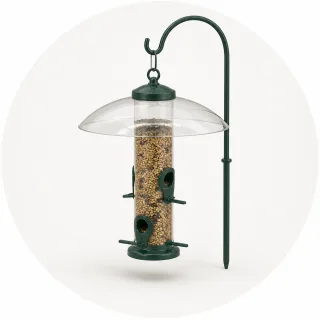
A tube feeder stores seed in a vertical cylinder and releases it through feeding ports. It uses space efficiently, keeps much of the food covered, and can support several birds without requiring a large tray.
Choose a tube that can be opened and brushed from end to end. More ports can accommodate more birds, but they also increase the number of seams and perches that need inspection.
For reservoir design, seed flow and maintenance trade-offs, read our hopper bird feeder guide.
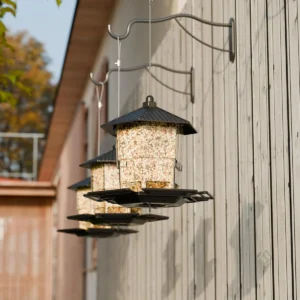
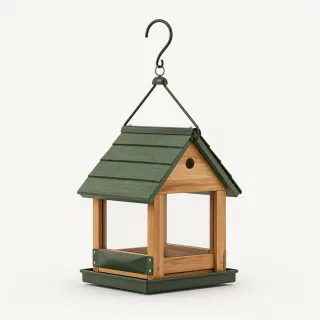
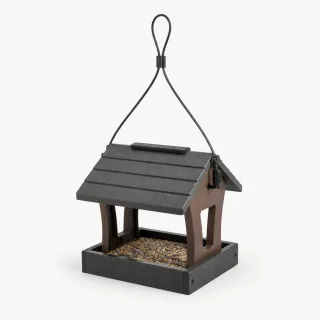
A hopper feeder stores seed under a roof and allows it to move down into a feeding tray as birds eat. It is often a practical first feeder for a mixed backyard because it combines a covered reservoir with a comfortable landing area.
A large reservoir is helpful only when birds use the food before it becomes damp or stale. For a quieter yard, a smaller hopper that is refilled more often may be easier to manage than the largest available model.
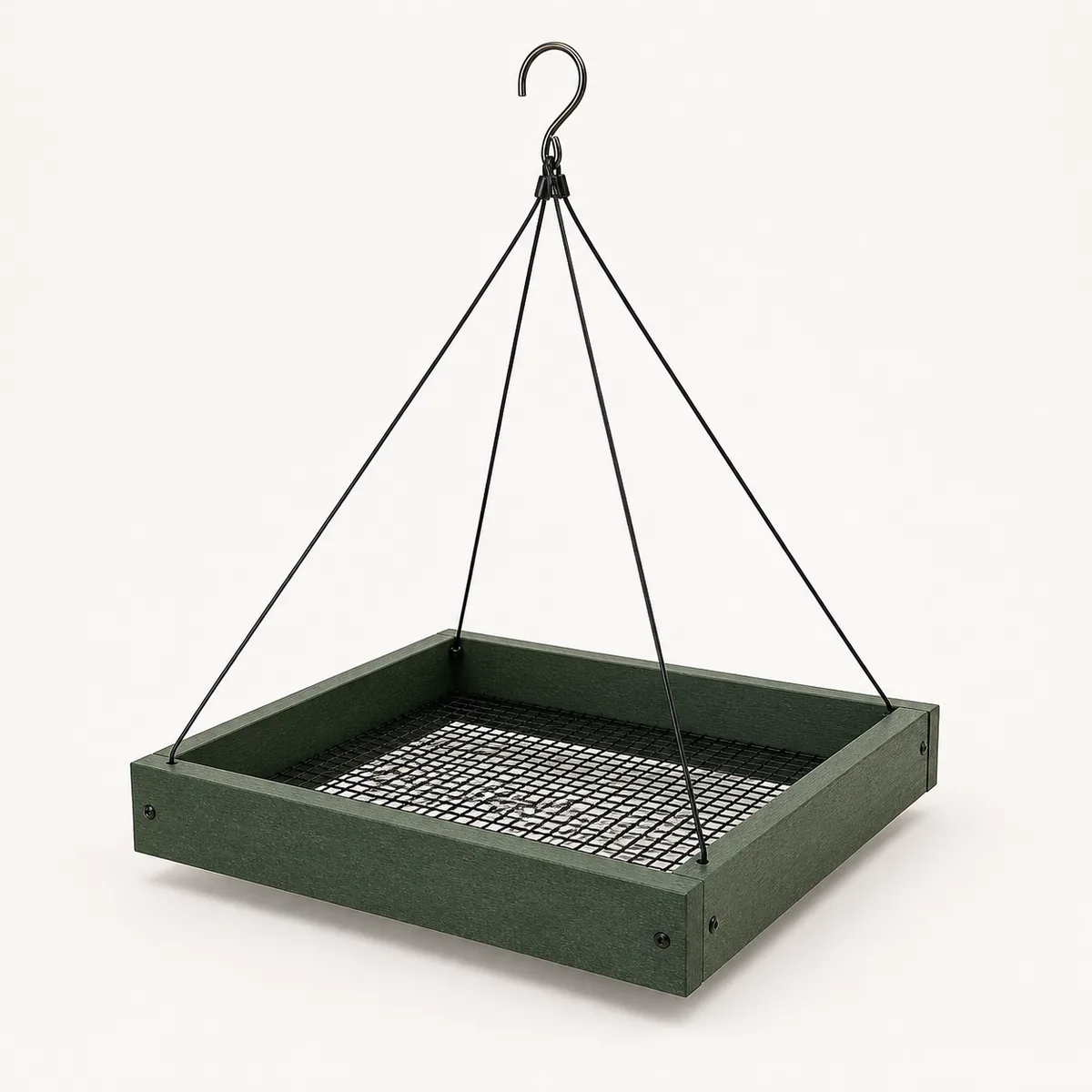
A platform feeder is a raised tray or mesh surface. Its open shape is easy for many birds to see and use, making it one of the most flexible styles for observing a broad mix of visitors.
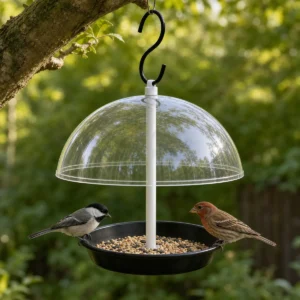
Drainage is essential. A mesh or perforated base helps moisture escape, but the feeder still needs regular removal of wet food and debris. A roof or clear dome can improve weather protection without eliminating the open-platform experience.
A hummingbird feeder should be easy to take apart, rinse, refill, and inspect. Reservoir shape matters less than reliable sealing and access to every interior surface. Choose a size that matches local activity; a smaller feeder that is refreshed consistently is often more practical than an oversized reservoir. For nectar preparation, cleaning, and replacement questions, consult the Audubon hummingbird feeding FAQs.
Place nectar feeders where you can monitor them easily. Shade during the hottest part of the day may help with food management, while a visible location makes it easier to notice leaks, insects, cloudiness, or residue.
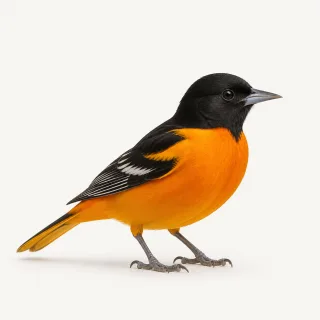
Orioles are larger than hummingbirds and benefit from sturdier perches and appropriately sized feeding points. A dedicated oriole feeder may combine nectar ports with orange holders or removable cups. Look for components that can be separated and cleaned without special tools.
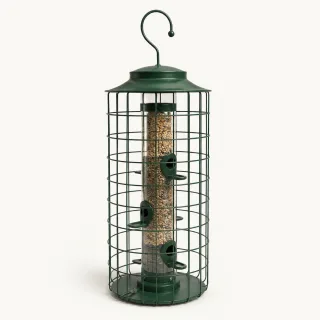
Squirrel-resistant feeders may use a surrounding cage, guarded seed ports, durable metal components, or a mechanism that closes access under a heavier visitor. These features work best as part of the entire feeding-station setup, not as a substitute for good placement.
If squirrels are the main problem in your yard, read our guide on how to keep squirrels off bird feeders. It explains how feeder placement, baffles, cleaning, and resistant feeder designs work together.
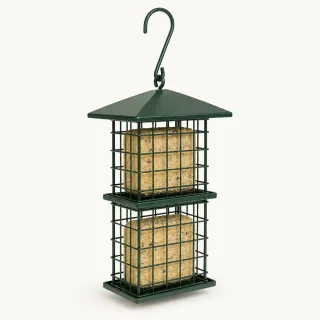
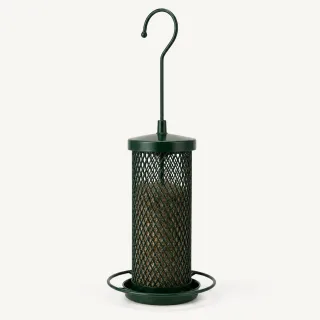
Window feeders, suet cages, peanut feeders, and fine-mesh finch feeders can expand a mature feeding station. They are useful when you already know which birds visit and which food you want to offer. They do not need to be part of your first setup, especially if you are still learning how quickly birds use food in your yard.
Once you have chosen a feeder style, use our bird feeder placement guide to balance window safety, nearby cover, weather, predators, and routine maintenance.
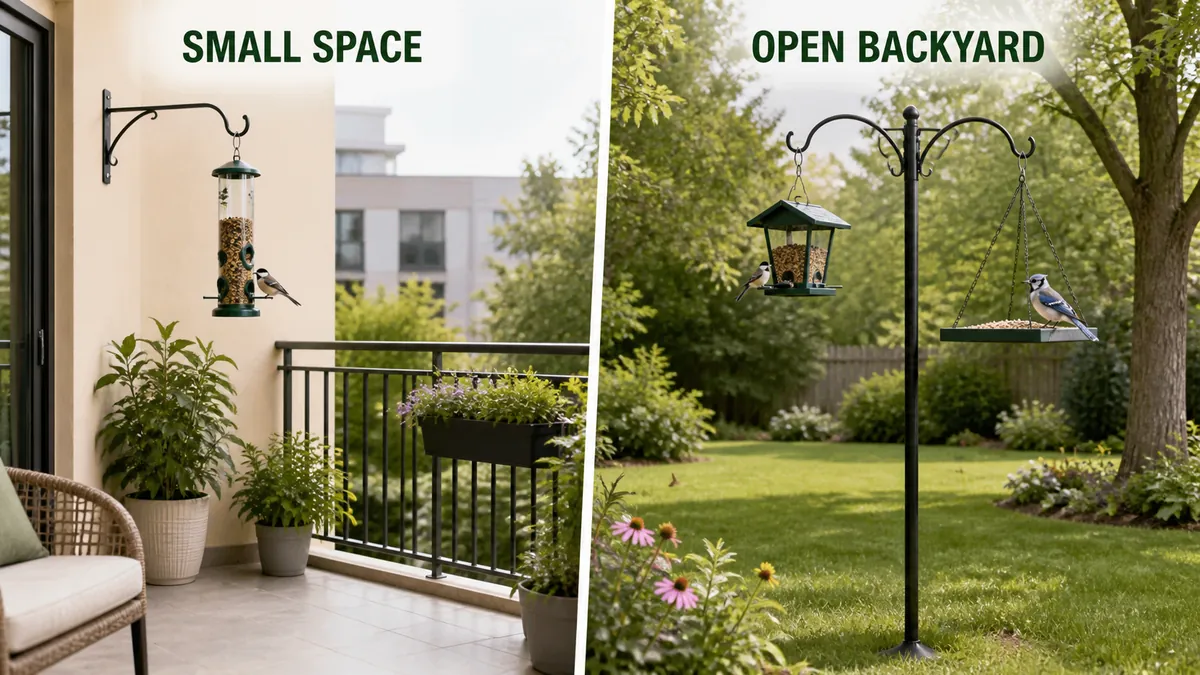
Choose a compact feeder with controlled seed flow and a mounting method allowed by the property. A small tube feeder can reduce the footprint, while a carefully positioned platform makes birds easy to watch. Plan for cleanup below the feeder before deciding on its final location.
An open yard gives you more control over pole placement and jumping distance. A hopper or tube feeder on a dedicated pole can serve as the main station, with a platform or species-specific feeder added later. Keep the setup visible enough to inspect without disturbing birds every time you walk outside.
Start with location rather than capacity. Move the feeder away from fences, roofs, branches, and other launch points. Combine an appropriate pole or hanging baffle with a squirrel-resistant feeder if animals continue to reach the food. A large conventional feeder in an easy-to-reach spot usually creates more waste, not a better birding experience.
Favor covered seed storage, reliable drainage, and a stable mounting system. Smaller refill amounts help keep food fresh when moisture is frequent. Inspect seams and the bottom of the reservoir, because the surface may look dry while seed below has started to clump.
The feeder and food must work as a pair. Port size, mesh spacing, tray depth, and reservoir opening determine whether food moves properly and whether birds can reach it. Project FeederWatch feeding guidance provides an additional independent reference for food, feeder, cleaning, and placement decisions.
If birds repeatedly discard most of a blend, the feeder may be offering food they do not prefer. Adjust one variable at a time—food, feeder style, or placement—so you can tell what changed the result.
Compare the cost of the complete setup: feeder, suitable support, any separately sold baffle or tray, and ongoing food. Check the current product page for price and included parts. A lower purchase price is not a saving if the feeder does not fit your mounting point or is difficult to maintain.
These are PerchKind stock examples, not tested winners. Check the linked listing for current price, availability, dimensions and included parts before ordering.
This gradual approach keeps the station easier to maintain and makes each purchase more intentional. It also helps you learn what works in your own yard instead of trying to copy a setup designed for different birds and conditions.
A tube or hopper feeder is a practical starting point for many beginners. Choose a tube feeder if you mainly want smaller perching birds. Choose a hopper if you want broader access and a larger covered reservoir. In either case, prioritize easy cleaning over maximum capacity.
A platform feeder is accessible to the widest range of bird sizes and feeding styles. The tradeoff is greater exposure to weather, droppings, squirrels, and dominant birds, so it requires attentive food management and cleaning.
Several well-spaced feeders can serve different birds and foods while reducing crowding. However, begin with one manageable feeder. Add another only when it fills a clear role, such as nectar, larger landing space, or squirrel resistance.
Feeder function, food, placement, and cleanliness usually matter more than decorative color. For nectar feeders, visible color accents can help birds notice the station, but the entire feeder does not need to be brightly colored.
Capacity should match how quickly birds empty the feeder and how often you can maintain it. Oversized feeders can leave food sitting through damp weather, while undersized feeders may need constant refilling. Start smaller and adjust after observing real use.
No. Birds differ in body size, feeding posture, and preferred foods. One versatile feeder can attract several species, but a thoughtful combination of two or three feeder types usually creates more variety than one oversized feeder.
The best feeder is not necessarily the largest or most complicated. It is the one you can keep clean, refill with suitable food, place securely, and adjust as local birds reveal their preferences. Begin with one clear goal, observe the results, and let your feeding station grow gradually.
Ready to compare currently available styles? Browse all PerchKind bird feeders. As new products are added to the relevant feeder categories, you will be able to find them through those category pages without changing this guide.
Once a feeder is in place, the problems that follow are usually placement, cleaning, seed storage, or squirrels — not the feeder itself. Each of these guides covers one of those in detail.
Editorial note: Prepared by the PerchKind Editorial Team and reviewed against the sources above in August 2026. Product links identify PerchKind products; the bird-feeding guidance remains independent of the product recommendations. If you spot an error, please contact us.