Birdhouse Entrance Hole Sizes: Choose the Species, Then Check the Box
Choose a nest box for a named local species. Compare round and oval entrances, then check the complete box rather than relying on the opening alone.
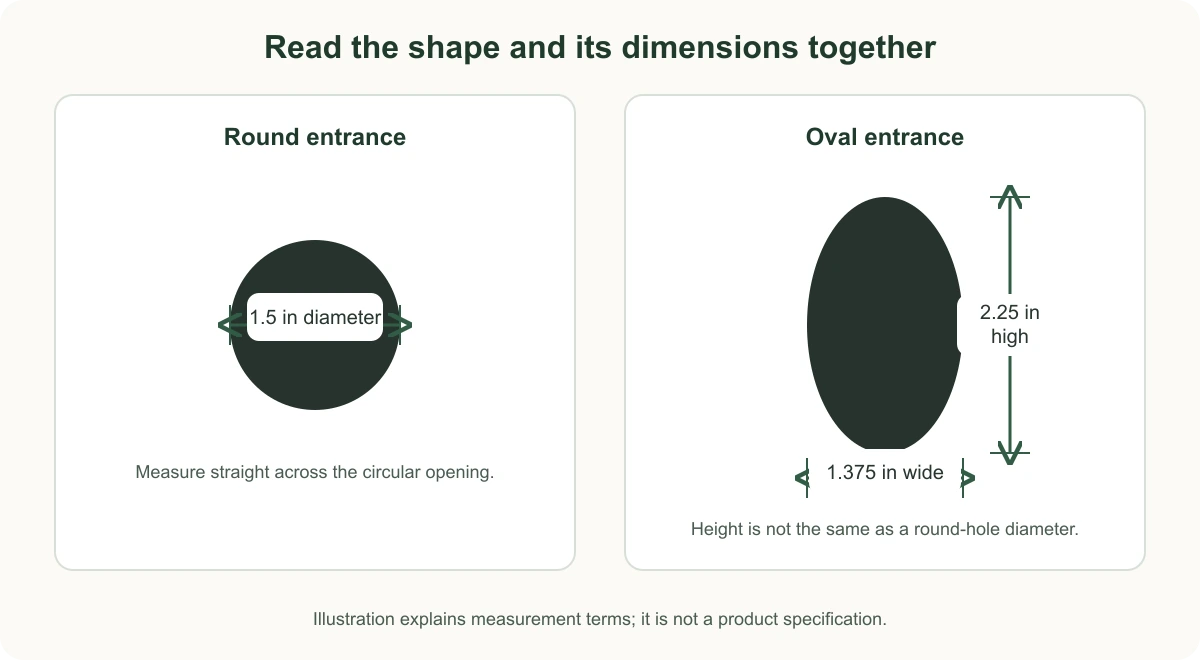
Choose a birdhouse entrance hole size for a named local cavity-nesting species, then check the rest of the box. An opening that a bird can enter is not proof that the interior, mounting or protection is suitable. This guide helps beginners compare nest boxes for selected North American birds; it is not a worldwide building specification.
Start with a local cavity-nesting species
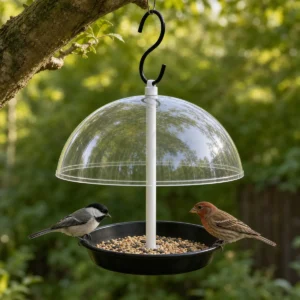
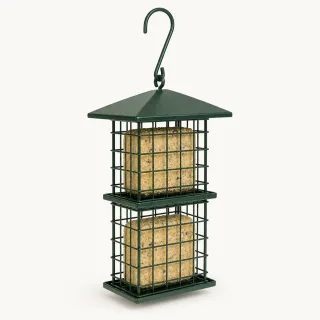
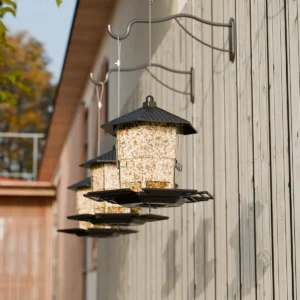
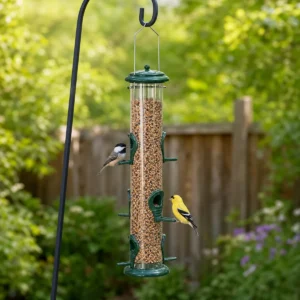
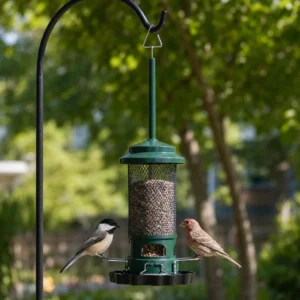
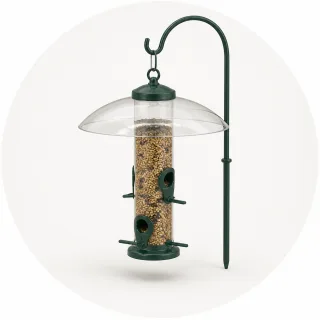
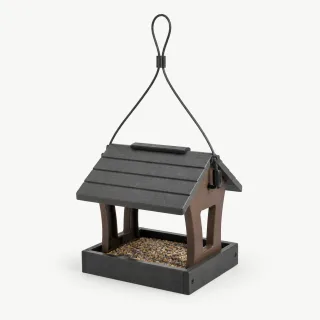
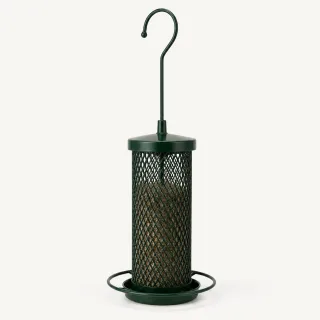
A bird feeder provides food; a nest box provides a nesting cavity. A house-shaped seed feeder is not automatically a nest box. Before shopping, identify which cavity-nesting bird occurs in your area and whether your site offers its habitat. NestWatch’s placement guidance pairs the box with the surrounding habitat: bluebirds, for example, need open habitat. Entrance size cannot make the wrong site suitable.
Read round and oval entrances correctly
A round entrance is measured by its diameter, straight across the opening through the centre. An oval needs two measurements, height and width. Do not compare an oval’s height with a round hole’s diameter.
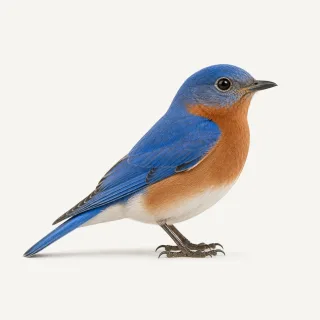
For Eastern Bluebirds, NestWatch lists a 1½-inch round entrance or an oval 2¼ inches high by 1⅜ inches wide. Those are different shapes within its guidance, not permission to drill a 2¼-inch circle. The original diagram below explains the distinction; it is not a drawing of our product.

A short, source-labelled North American size reference
The following round-opening values come from NestWatch’s species placement table. Metric equivalents are rounded for reading; choose a complete, species-specific design rather than treating this short comparison as a drilling plan.
| Named species | Round entrance in that reference |
|---|---|
| Eastern Bluebird | 1½ inches (about 38.1 mm) |
| Black-capped Chickadee | 1⅛ inches (about 28.6 mm) |
| Carolina Chickadee | 1⅛ inches (about 28.6 mm) |
| Tufted Titmouse | 1¼ inches (about 31.8 mm) |
| Mountain Bluebird | 1 9/16 inches (about 39.7 mm) |
Do not combine all bluebirds, chickadees or wrens into one universal size. Nor should a North American chart be applied automatically to European garden species. BTO’s UK buying guidance discusses different birds and dimensions; it is a regional reference, not a substitute for the named North American plan.
Why two charts can give different answers
Check the species, region, entrance shape and complete design before deciding that two numbers conflict. For House Wrens, the NestWatch table lists a 1-inch round opening, while Texas Parks and Wildlife’s design information lists 1¼ inches. These are source-specific recommendations, not evidence that every intermediate diameter gives identical protection. Follow an established complete design and suitable local guidance.
Check the whole box before buying
Record more than the front opening. Ask for internal floor dimensions, cavity depth, entrance position, wall material, drainage, ventilation, secure mounting and access for inspection. NestWatch’s good-birdhouse checklist explains why these features matter. External height and shipping-package dimensions do not answer questions about the nesting cavity.
A metal entrance plate is not the same thing as a pole baffle, and neither is a blanket predator-proof guarantee. Compare the actual installation rather than assuming that a photograph or the word “guard” establishes complete protection.
Read a product listing without guessing missing measurements
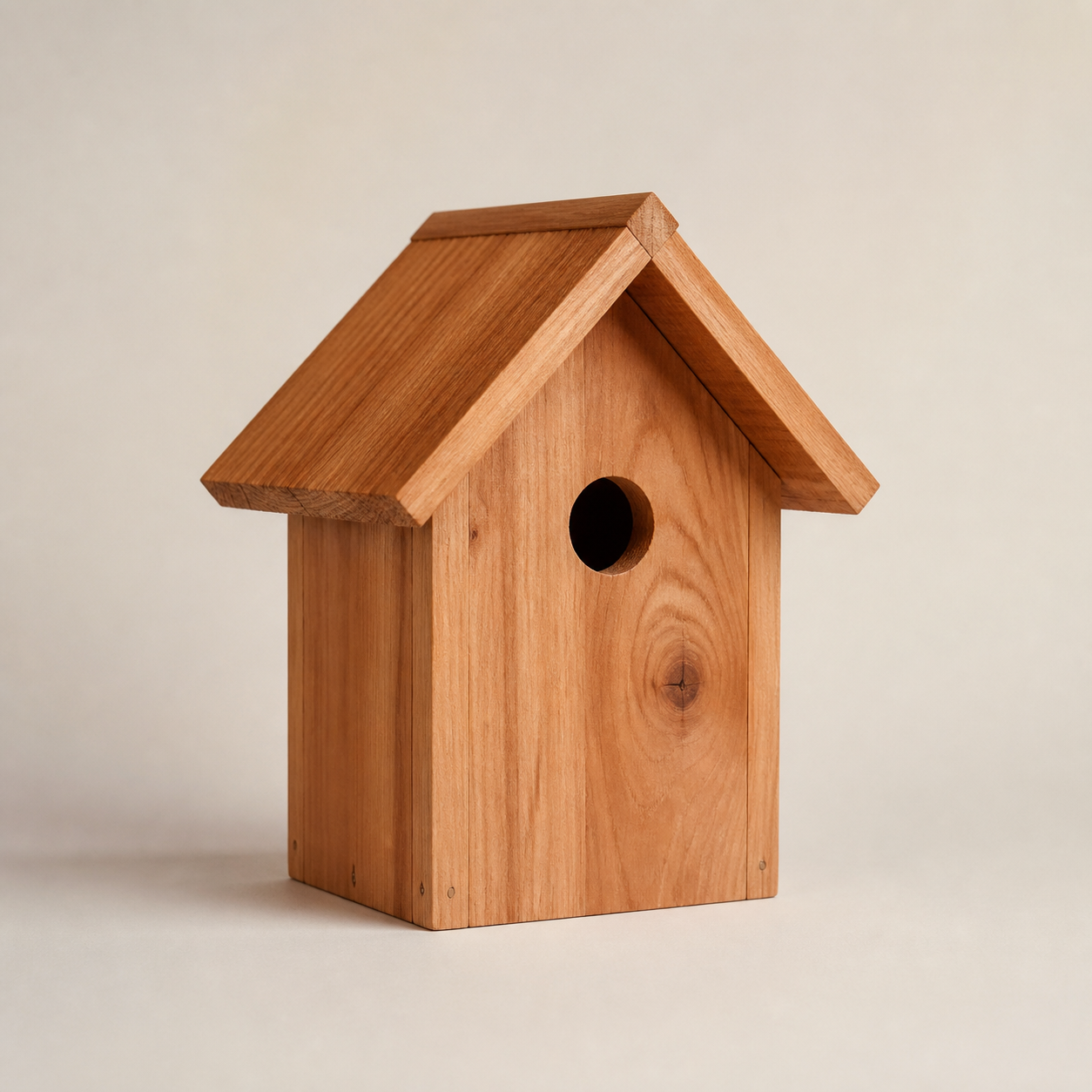
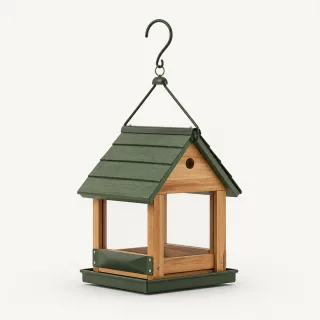
Our Natural Wood Bluebird House with 1.5-Inch Entrance Guard listing states a 1.5-inch entrance, a metal entrance guard, front cleanout access and component-kit assembly. It says the mounting post and external bracket are not included. These are listed product details, not an independently measured trial or certification.
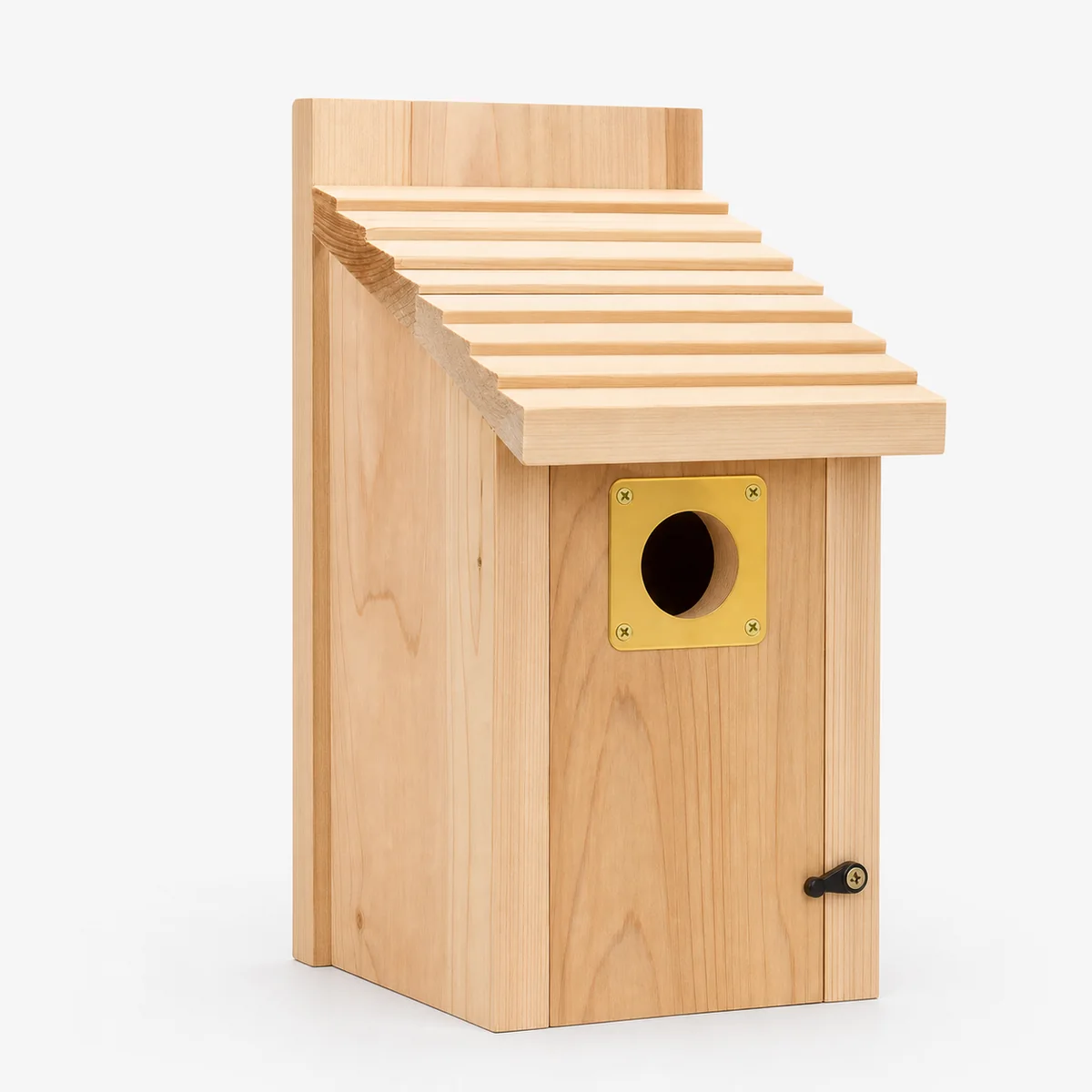
That entrance matches the Eastern Bluebird round-opening reference above. It does not, by itself, verify every internal dimension or promise nesting. Compare the documented details in Bird Houses, and ask us for missing measurements before concluding that a particular model matches a complete plan.
Questions about entrance guards, resizing and occupancy
Is a larger opening always better?
No. Start with the named species and a complete design, not a general “more room” rule.
Should I resize a box that birds are using?
This is a buying and measurement guide, not an active-nest alteration procedure. Do not treat a chart difference as an instruction to change an occupied box; seek appropriate local guidance.
Does the correct entrance guarantee nesting?
No. NestWatch notes that habitat and discovery matter too. A suitable opening is one selection criterion, not an occupancy promise.
PerchKind is the retailer of the product linked here. Sources support the stated reference measurements and selection principles, not an endorsement of our store. The diagram is our original explanation of measurement terms; no nesting test or customer result is claimed.