How to Welcome More Birds to Your Backyard
Simple steps make a big difference. Learn how food, fresh water, native plants, shelter, and thoughtful feeder care can create a safer, more inviting backyard for wild birds.
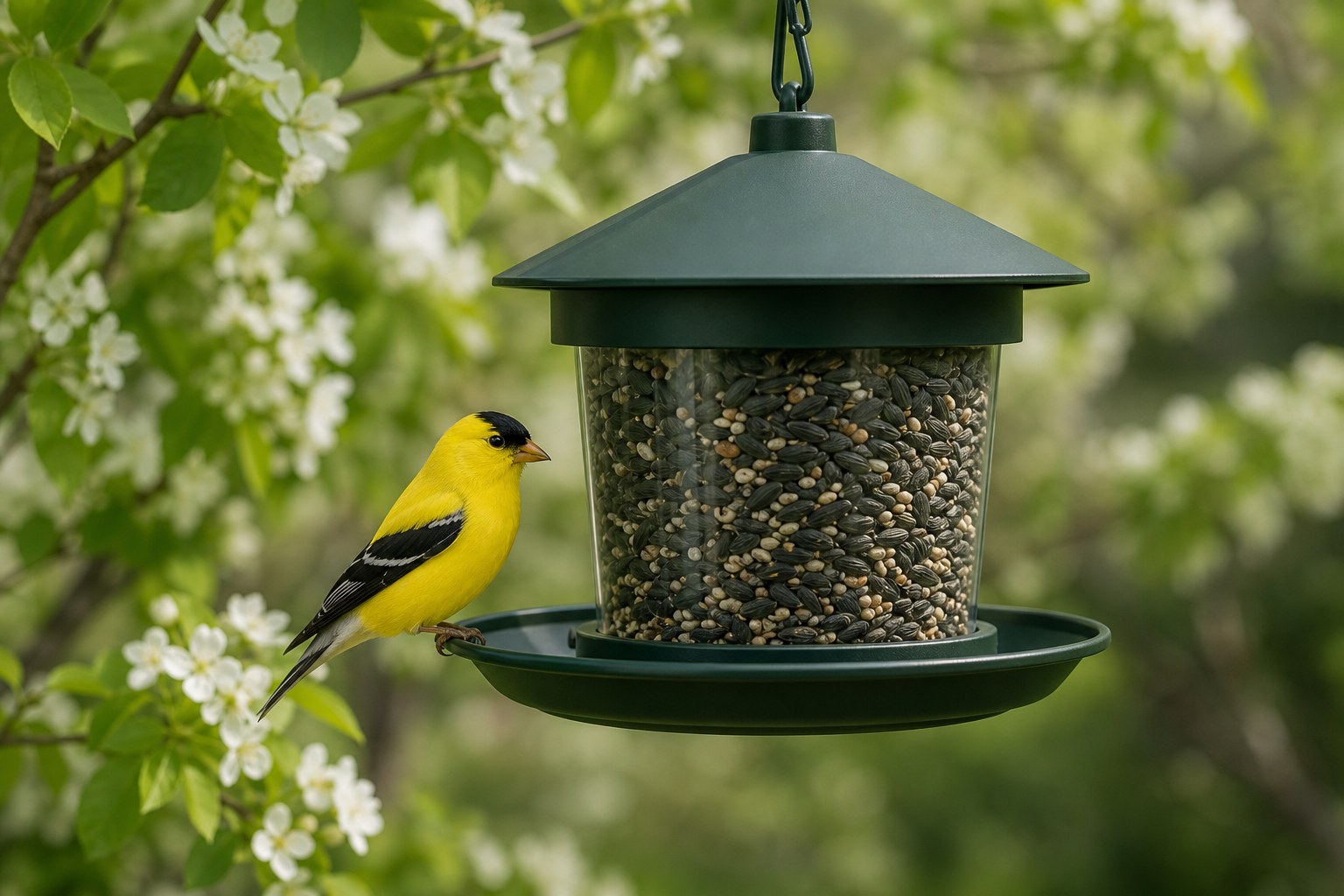
A bird-friendly backyard does not need to be large or complicated. Birds are looking for three basic things: dependable food, clean water, and safe shelter. Start with one or two thoughtful improvements, watch how birds respond, and build from there.
Begin with a dependable food source
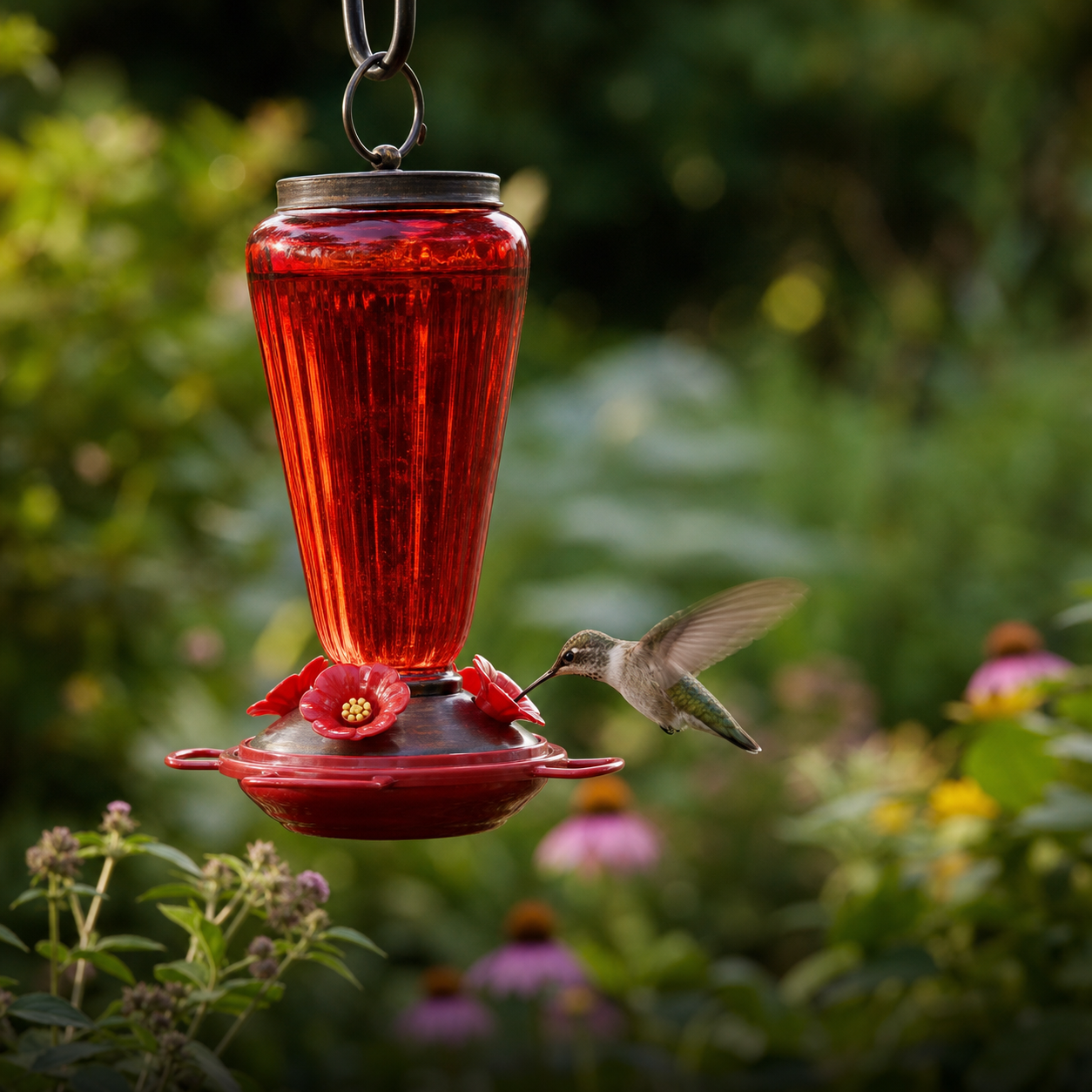
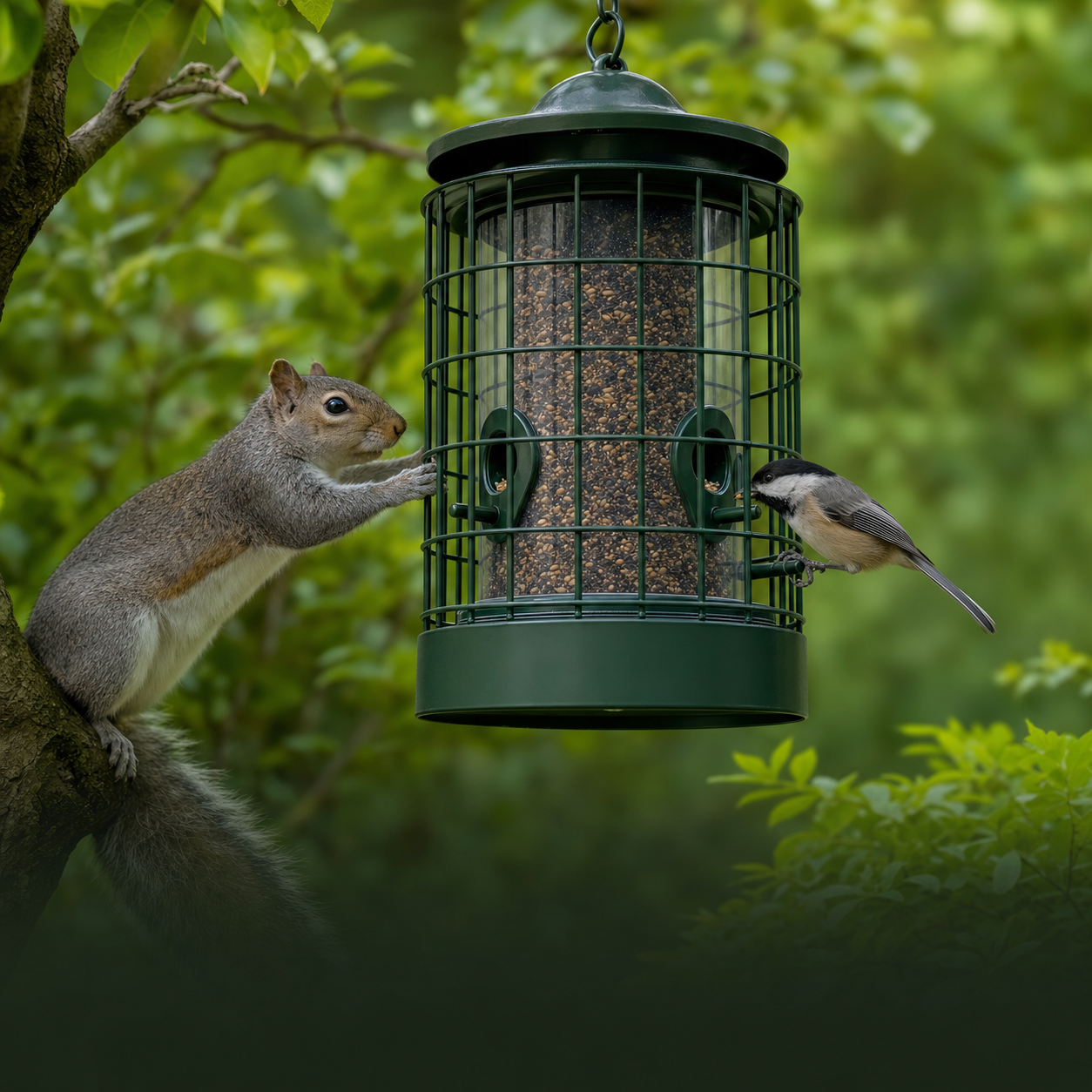
A well-placed feeder gives birds an easy place to refuel and gives you a closer view of their daily routines. Choose a feeder that is simple to refill and clean, then match the food to the birds you hope to welcome. Black-oil sunflower seed is a versatile starting point for many common feeder visitors.
Keep seed dry and replace anything that looks damp, clumped, moldy, or spoiled. A smaller amount of fresh food is better than filling a feeder so heavily that seed sits unused for weeks.
Add fresh, shallow water
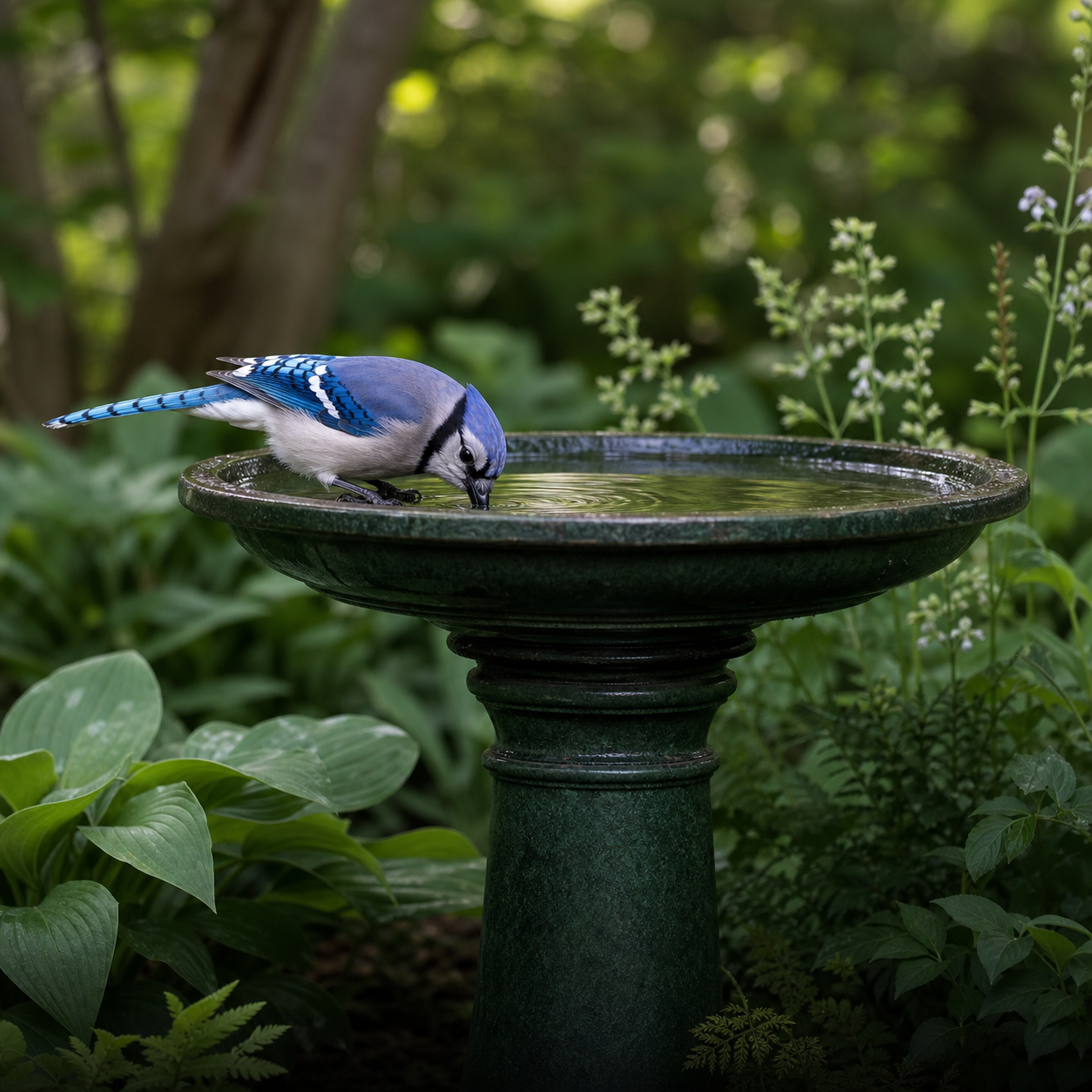
Water can attract species that may never visit a seed feeder. A shallow bird bath with a gently sloped or textured surface gives birds a more secure place to drink and bathe. Position it where you can refresh the water easily and where birds have a clear view of their surroundings.
Rinse the basin regularly, remove leaves and droppings, and replace the water often—especially during warm weather. Clean water is one of the simplest ways to make a backyard more welcoming.
Grow the shelter birds already understand
Native trees, shrubs, grasses, and flowers can provide seeds, berries, insects, nesting places, and protection from weather. They also connect food and shelter in a way a feeder alone cannot. Choose plants native to your region and aim for a mix of heights and seasonal resources.
If you are working with a patio or balcony, even a few well-chosen container plants can add cover and natural foraging opportunities.
Place feeders with safety in mind
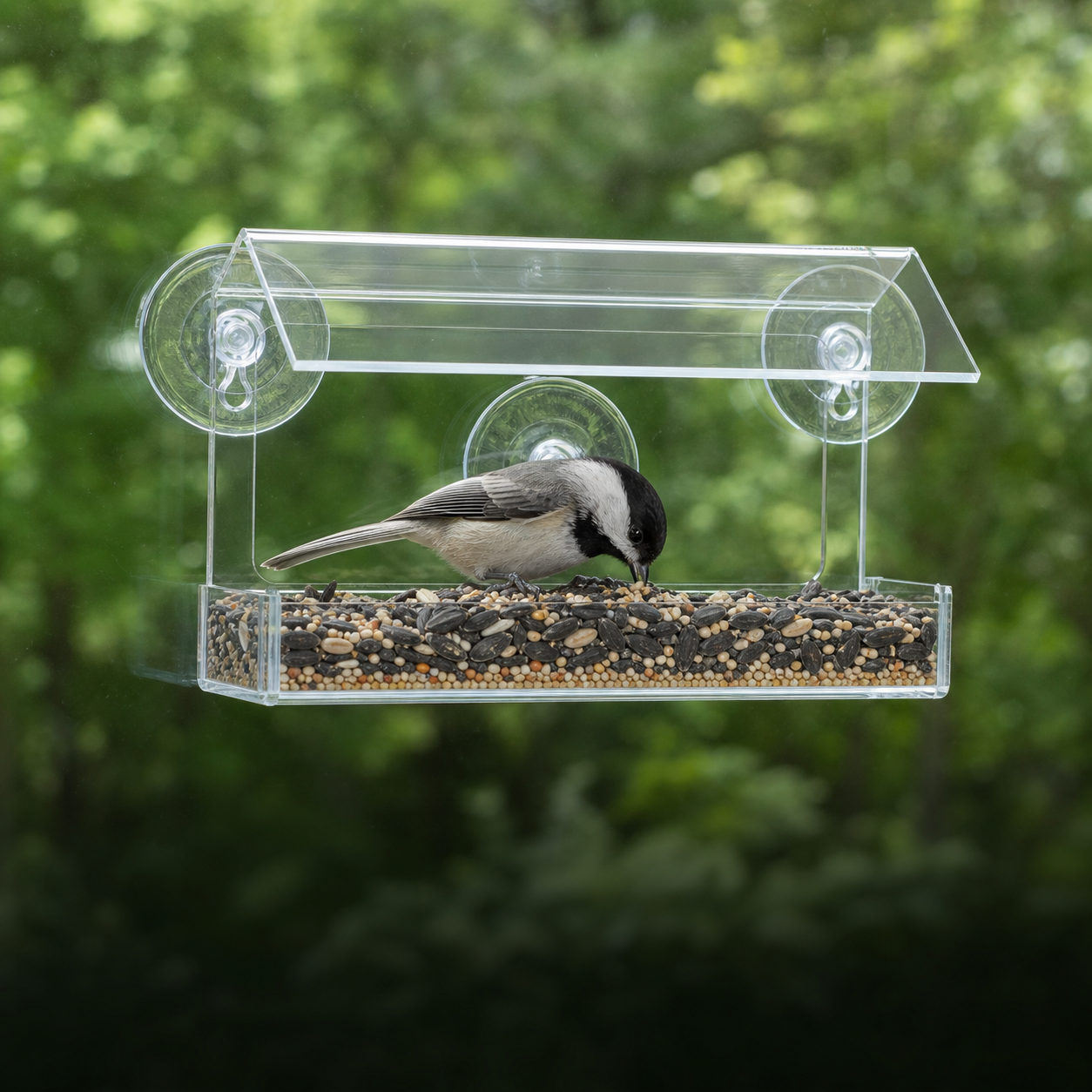
Nearby shrubs or trees give birds a place to pause and escape, but avoid placing a feeder so close to low cover that a cat can hide beside it. Window safety matters, too. Cornell Lab guidance recommends positioning feeders very close to a window—within about three feet—or taking other steps to make the glass visible to birds.
Make cleanliness part of the routine
Regular feeder care helps protect the birds you invite. Cornell Lab recommends cleaning seed feeders about every two weeks and more often during heavy use, wet weather, or local disease concerns. Remove old food and debris, wash all parts thoroughly, rinse well, and allow the feeder to dry before refilling. Clean the ground beneath the feeder when hulls and waste accumulate.
Give birds time to discover the space
A new feeder or bath may not become busy immediately. Birds need time to notice it and decide that the area feels safe. Keep the setup consistent, observe from a comfortable distance, and make small changes based on what you see.
The best bird-friendly backyards grow gradually. Begin with fresh food, clean water, and nearby shelter, then let each visit show you what to improve next.