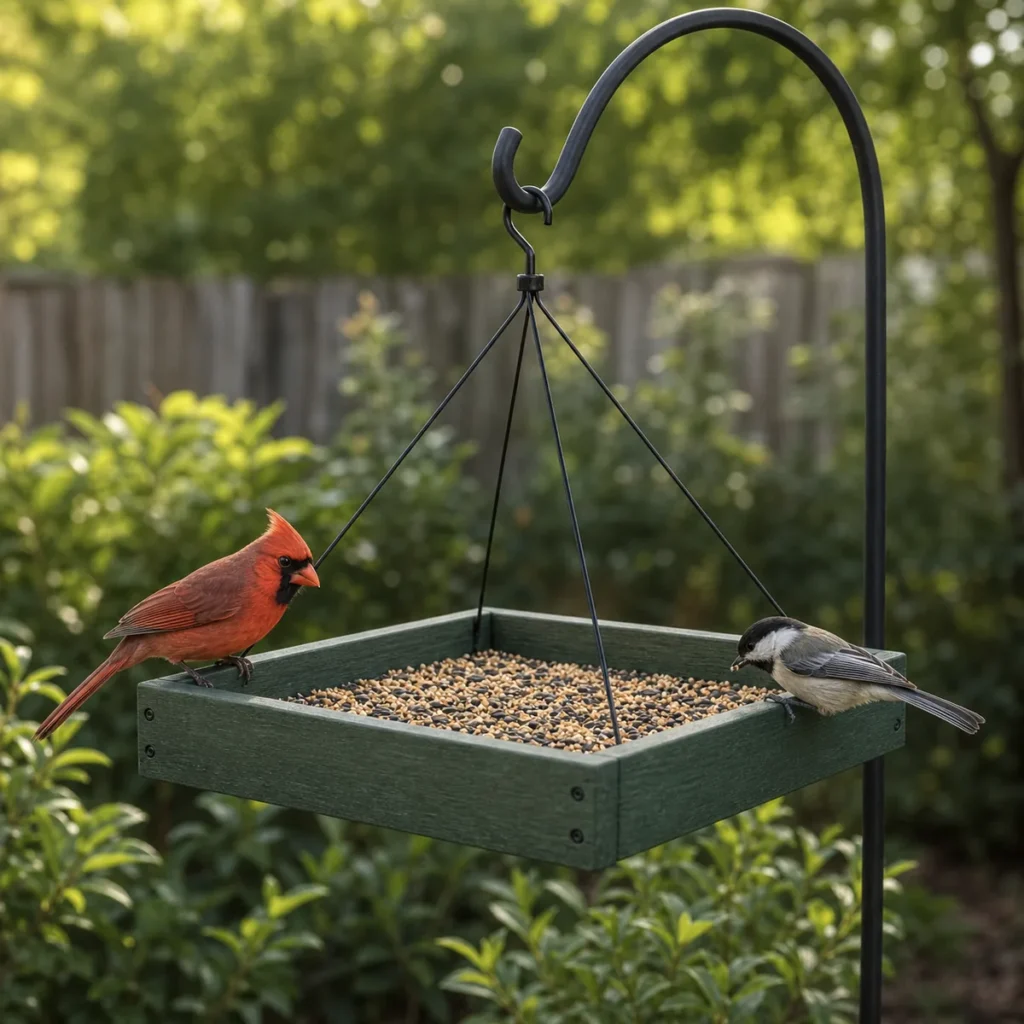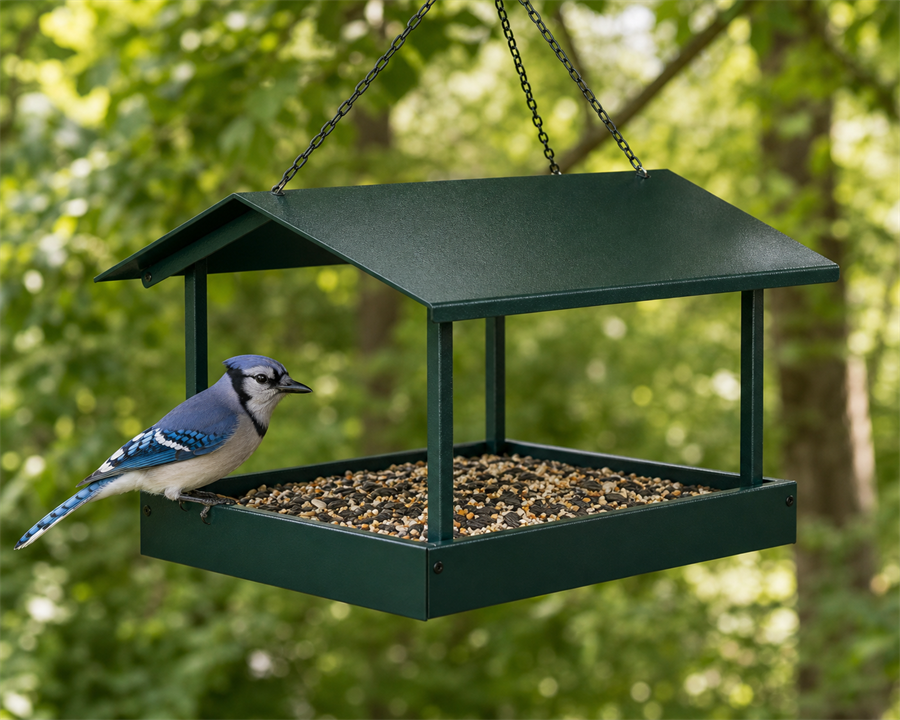
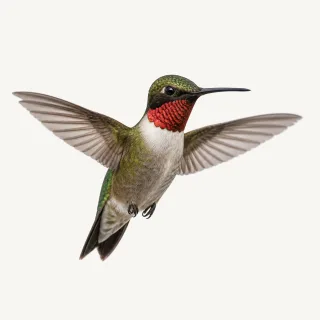
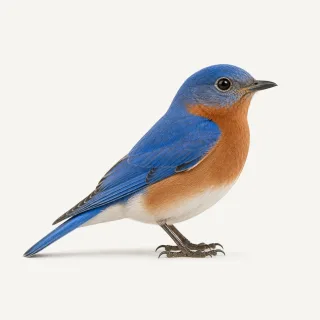
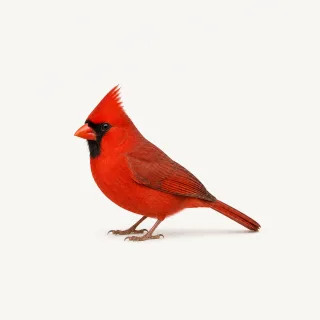
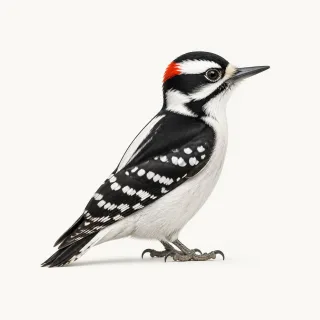
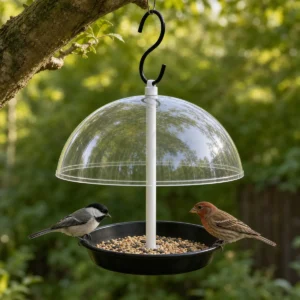
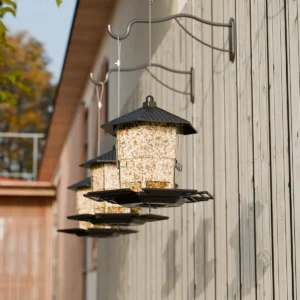
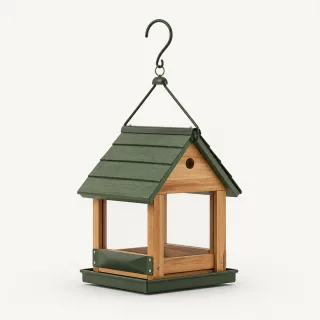
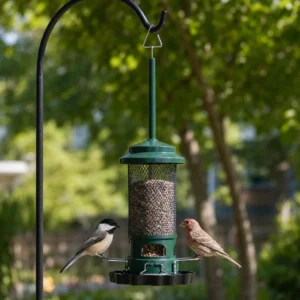
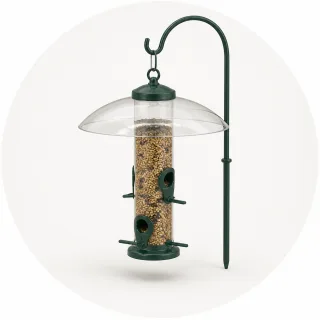
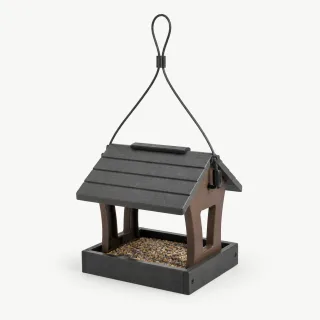
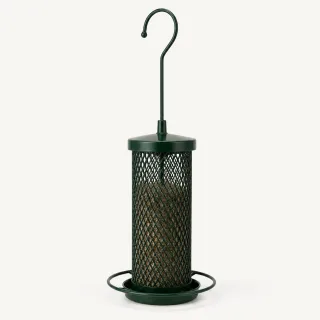
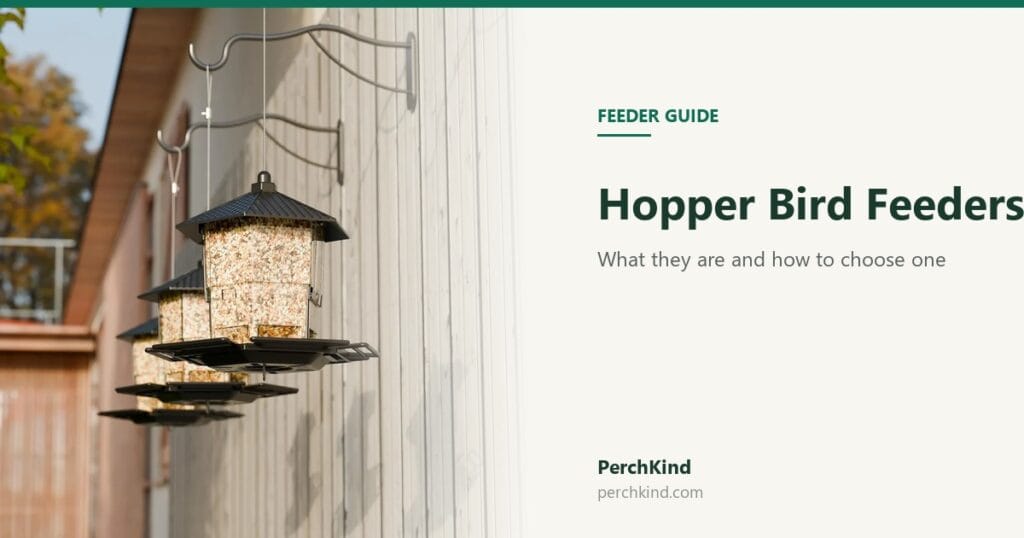
A hopper bird feeder stores seed in a roofed reservoir and releases it onto a tray as birds eat. This gravity-fed layout can serve a mixed group of seed-eating birds, but its exposed tray and stored seed still need regular inspection. Cornell Lab’s feeder-type guide describes both the range of visitors and the limits of […]
Kategorie-Archiv: Blog
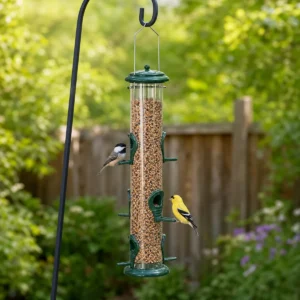
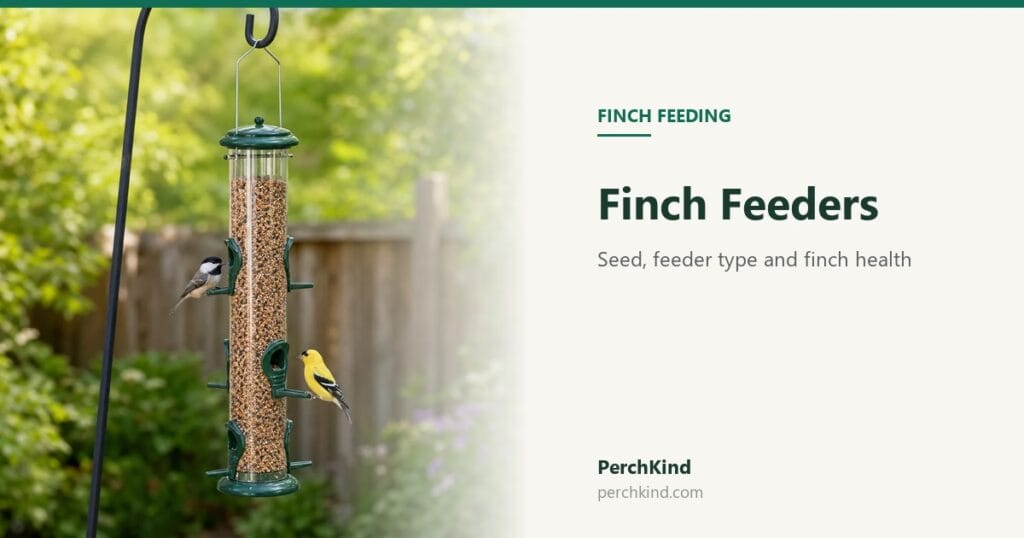
To attract finches, start with fresh sunflower or nyjer suited to the species present and the feeder’s openings. Cornell Lab’s American Goldfinch account names both for American Goldfinches and notes that these birds can use several feeder styles. No seed or feeder guarantees year-round visits. Choose food for the species actually present. Nyjer can attract […]
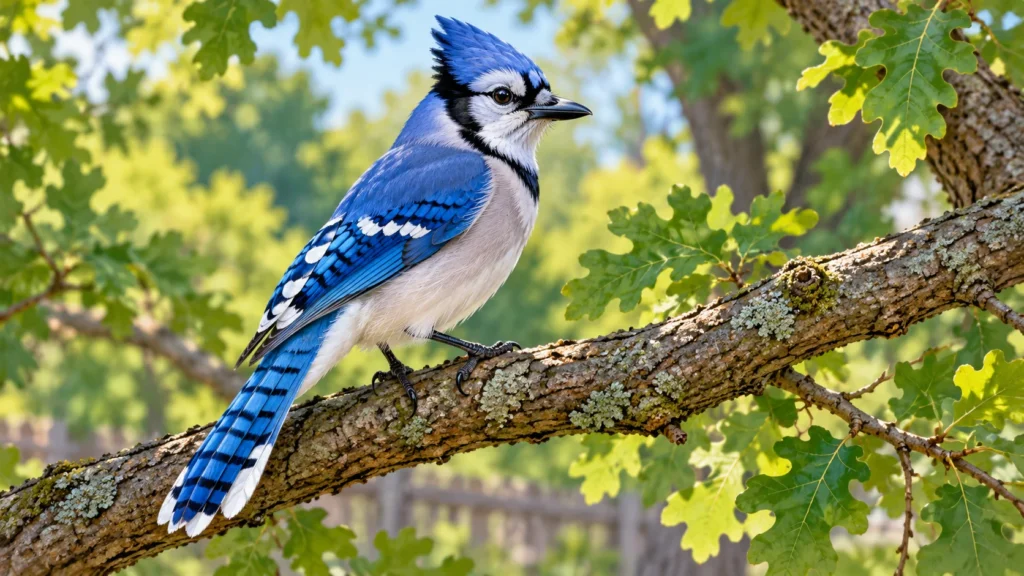
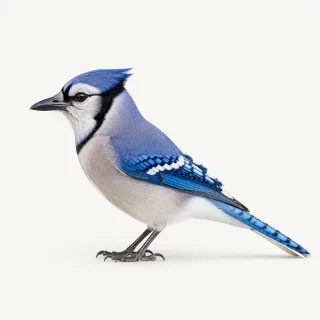
Cover: AI-generated editorial illustration of a Blue Jay; not a wildlife photograph or product test. To attract Blue Jays, offer suitable fresh food such as peanuts, sunflower seeds or suet, with enough room to reach it. Cornell Lab’s Blue Jay account reports a preference for post-mounted trays and hoppers over hanging feeders and notes visits […]
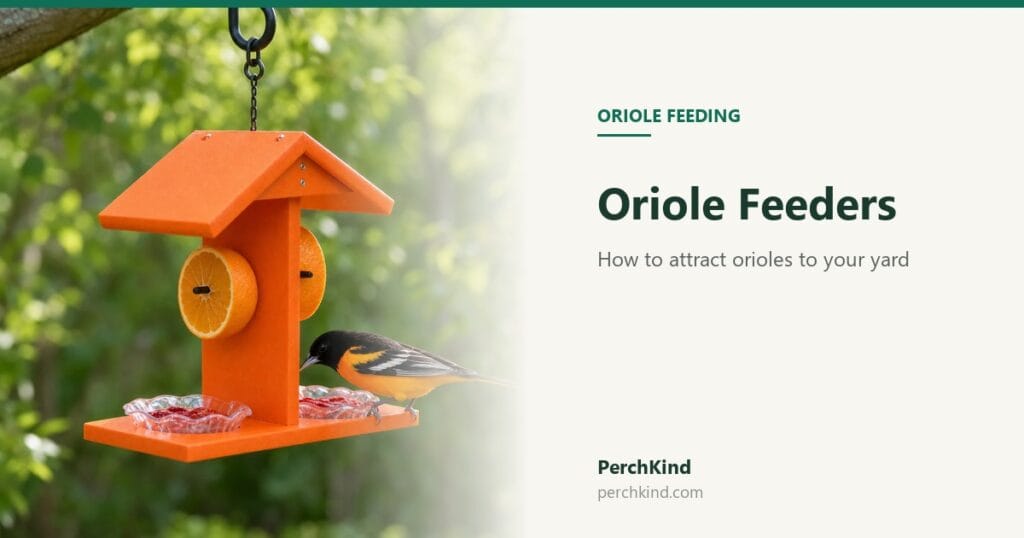
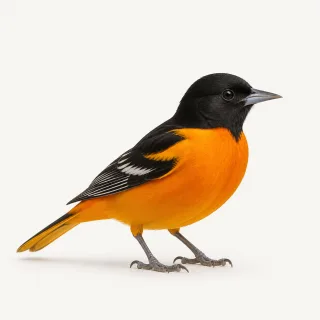
To attract Baltimore Orioles, offer ripe fruit such as orange halves, small amounts of jelly, or plain sugar water in a feeder designed for orioles. Cornell Lab’s Baltimore Oriole account describes these supplements to their natural diet. Choose a format you can keep clean; no food guarantees a visit, and a general seed mix is […]
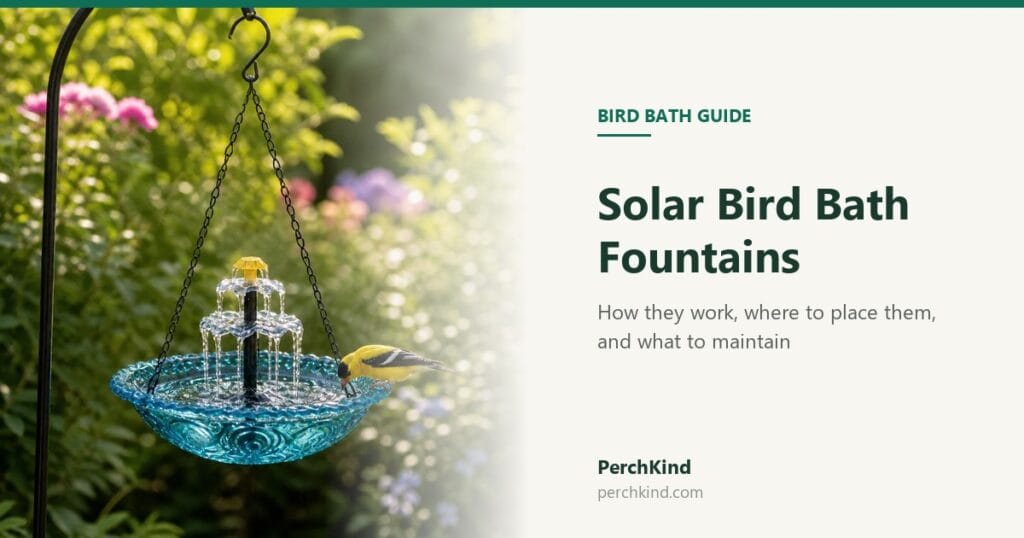
A solar bird bath fountain uses a photovoltaic panel to power a water pump, sometimes with battery storage and a cable to a separate panel. Compare the exact model’s light requirements, water-depth needs and cleaning access before buying. Solar power alone does not guarantee continuous operation. For bath types, placement and routine care beyond the […]
Ein praktischer Ratgeber zur Futterauswahl für eine offene Futterschale: welches Futter sich anbietet, wie Sie es in der Schale halten, was getrennt bleiben sollte und wann ein anderer Futterspender besser geeignet ist.
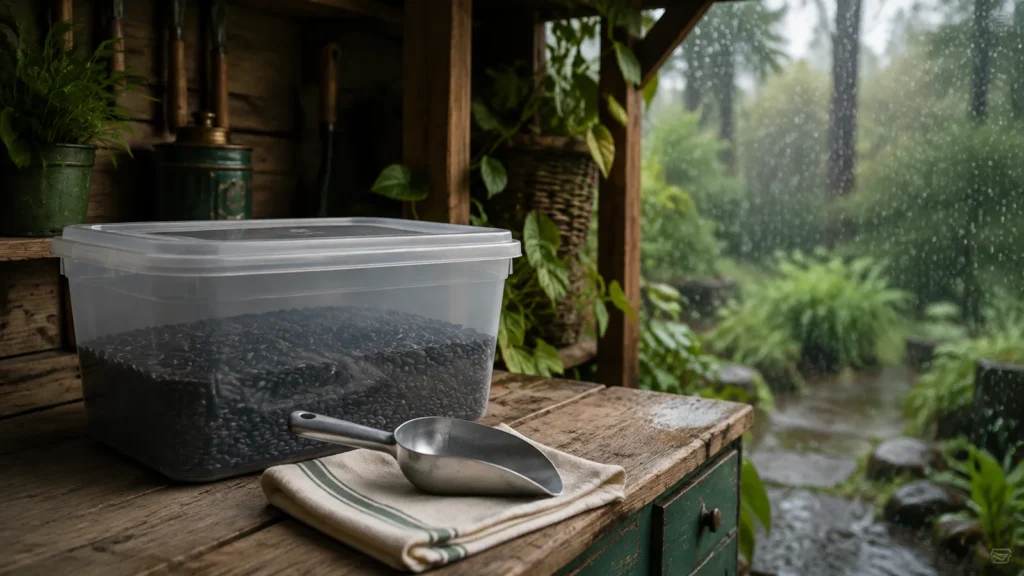
Verringern Sie feuchtes Vogelfutter durch besseren Schutz, freie Abläufe, kleinere Nachfüllmengen und eine praktische Kontrolle nach Regen.
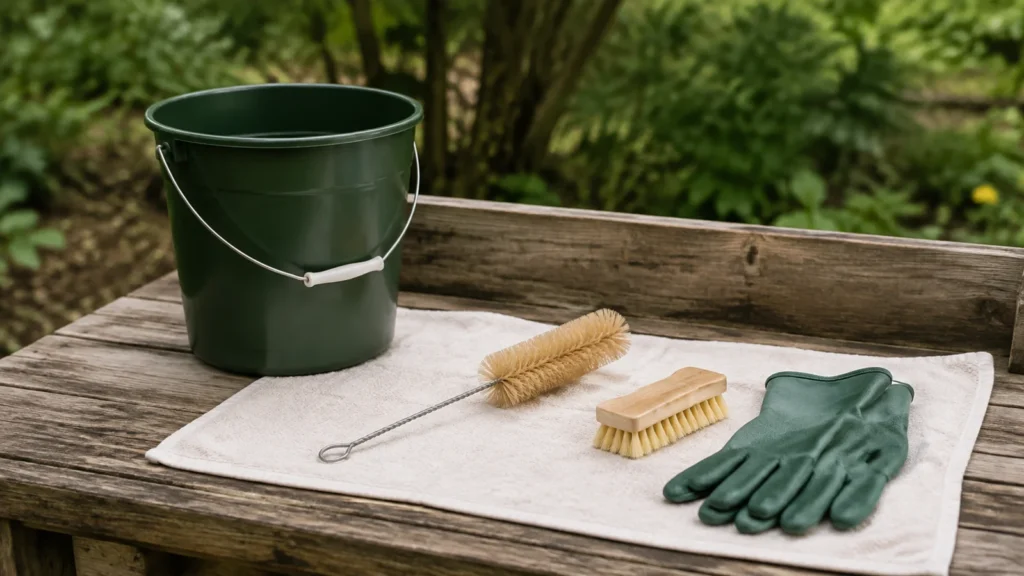
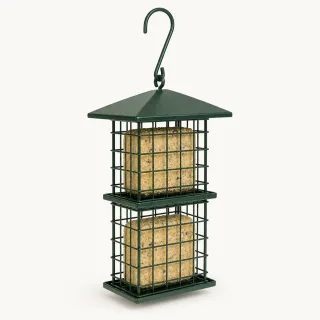
So reinigen Sie einen Saaten- oder Fettfutterspender sicher in acht praktischen Schritten – mit Hinweisen zur Häufigkeit des Waschens, zur Desinfektion, zum Trocknen und zur Reinigung des Bodens darunter.
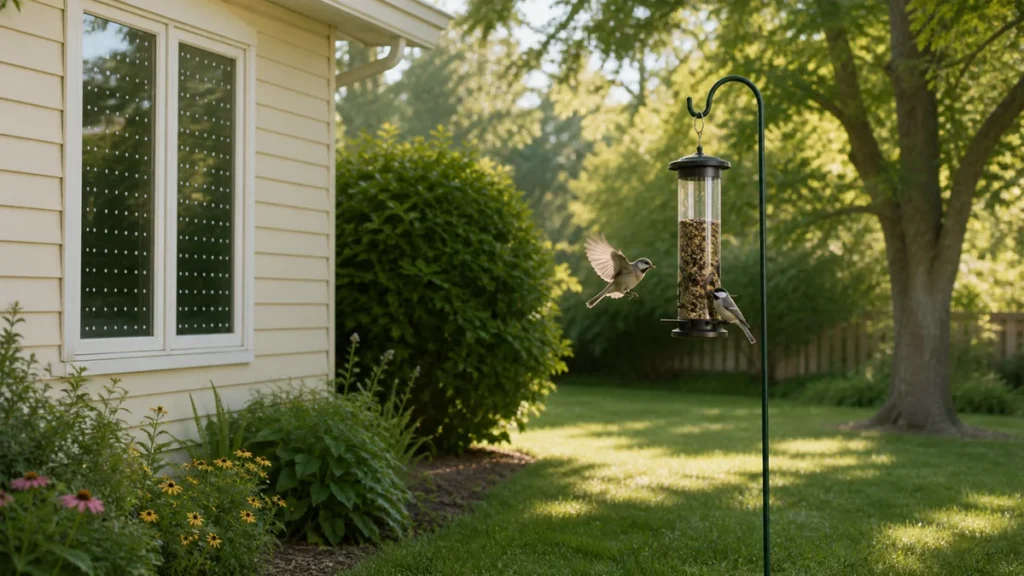
Finden Sie mit diesem praktischen Standort-Ratgeber einen sichereren Platz für Ihren Vogelfutterspender in der Nähe einer Deckung und verringern Sie zugleich die Risiken durch Fenster, Fressfeinde, Eichhörnchen und Wetter.
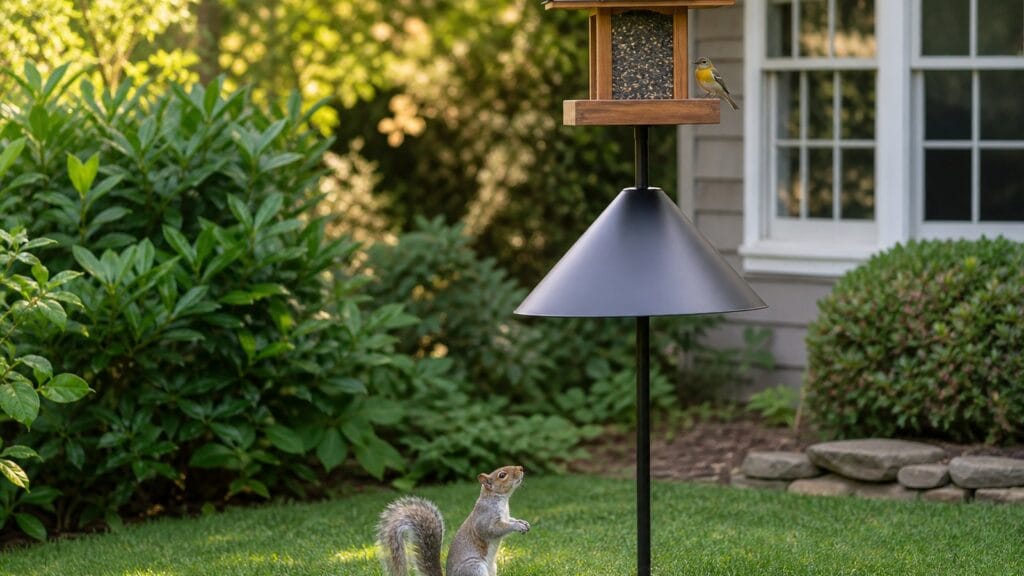
Halten Sie Eichhörnchen auf tierfreundliche Weise von Vogelfutterspendern fern – mit einer besseren Platzierung, richtig montierten Schutzkragen, stabilen Stangen, einer passenden Futterauswahl und Futterspendern mit gewichtsabhängigem Mechanismus.